Pelham Gardens
Pelham GardensGrow What Matters

Small Space Growing

What Can I Grow on a Windowsill or Balcony?

A practical UK guide to growing food in small spaces — from kitchen herbs on a north-facing sill to tomatoes and strawberries on a sunny balcony.

You don't need a garden to grow food. A sunny windowsill is enough for a year-round supply of fresh herbs. A south-facing balcony can produce tomatoes, strawberries and beans through the summer. The key is matching the right crop to the light and space you actually have.

This guide splits crops into two groups: those that genuinely thrive indoors on a windowsill, and those that need the outdoor light and airflow of a balcony. Each has a link to its full grow guide with sowing dates, pot sizes and care notes.

Which situation are you in?

Sunny windowsill

South or west-facing, direct sun for 4+ hours

Herbs, chilli, radish, lettuce

South or west balcony

6+ hours of direct sun. Room for larger pots

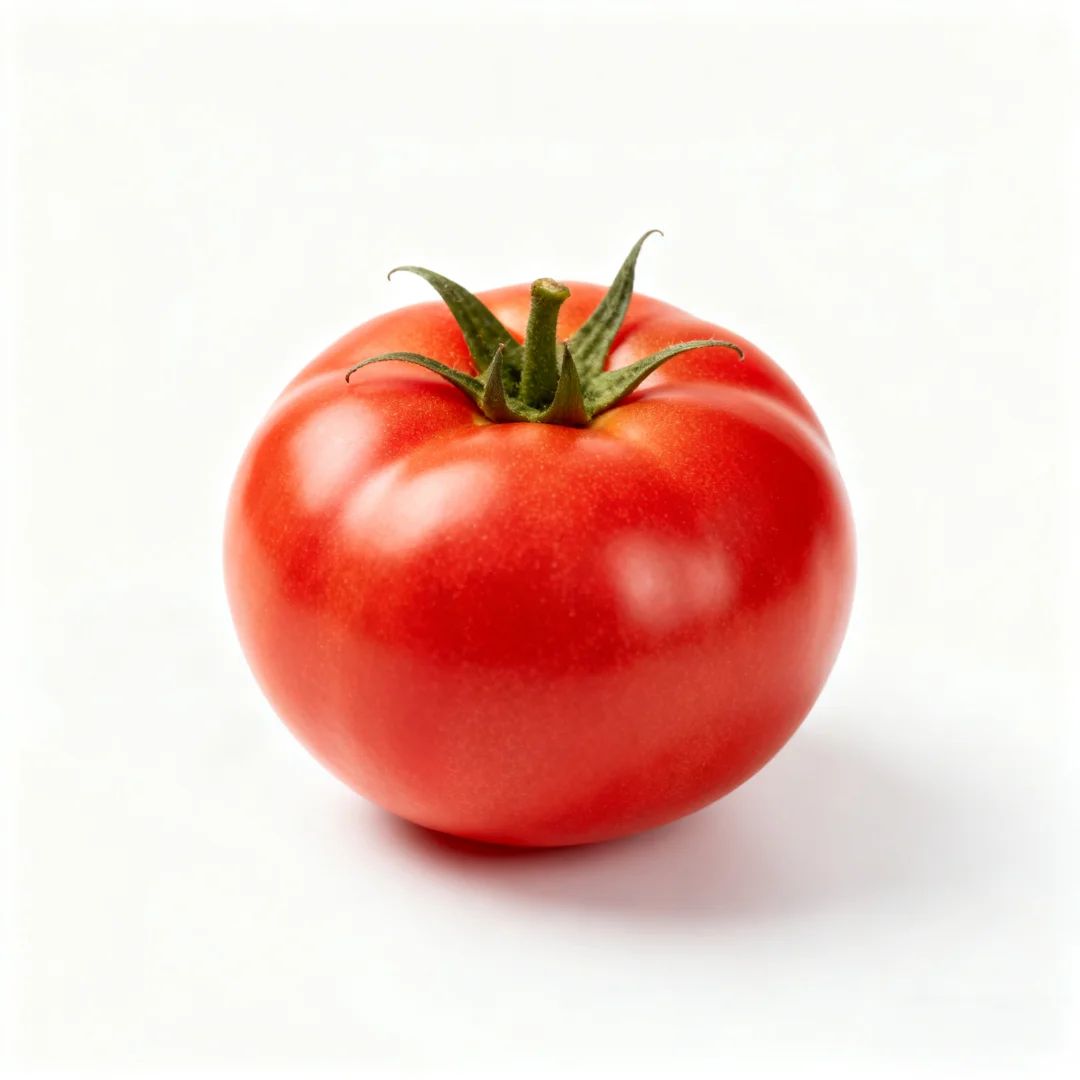
Tomatoes, beans, strawberries, peas

North or east facing

Less direct sun, cooler and shadier

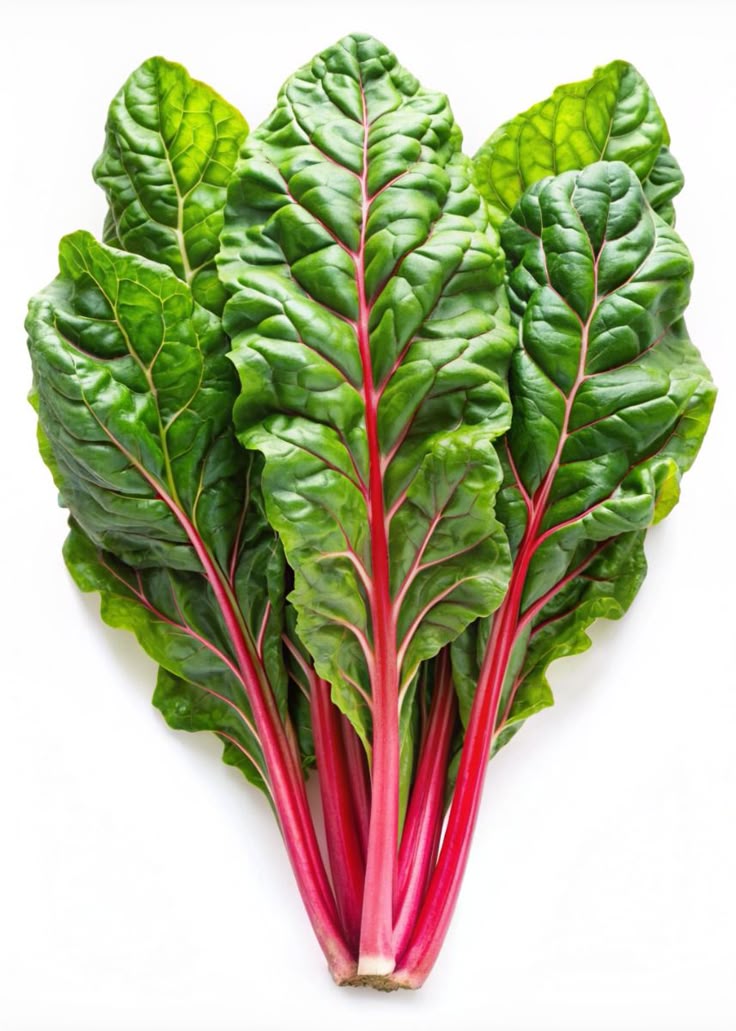
Lettuce, spinach, chard, herbs

Key Principles

Essential Tips for Small-Space Growing

Use the largest container you can manage

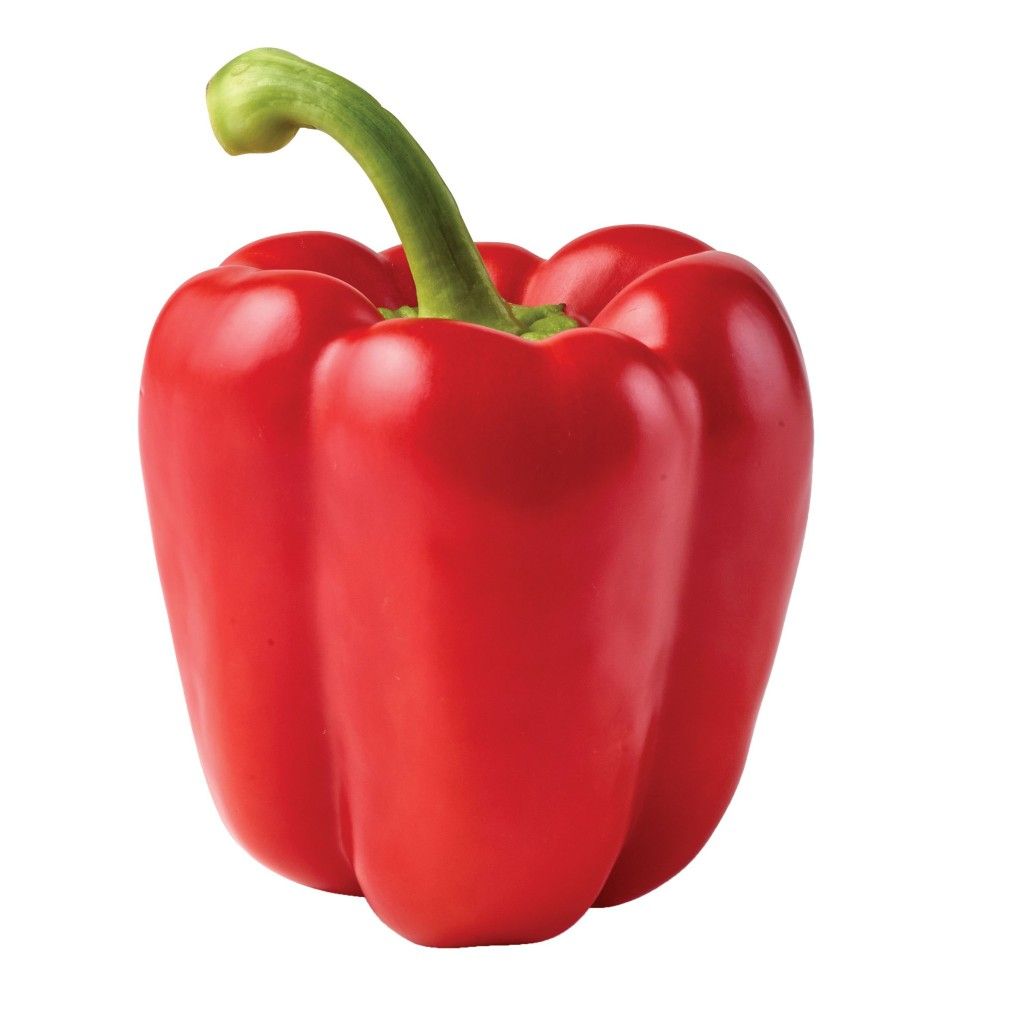
Most small-space failures come from pots that are too small. A 15cm pot holds enough compost for one herb. Tomatoes and peppers need at least 25–30 litres. When in doubt, go bigger.

Windowsills dry out faster than you think

Check the compost daily in warm weather. Water when the top centimetre feels dry, not on a fixed schedule. A saucer under the pot retains moisture between waterings.

Light is the limit for fruiting crops

Tomatoes, peppers and cucumbers need 6 or more hours of direct sun to produce a worthwhile harvest. If your balcony faces north or gets less than 4 hours of sun, stick to salads, herbs and chard.

Feed every two weeks once plants are established

Compost runs out of nutrients within 6 to 8 weeks. A liquid seaweed feed or balanced liquid fertiliser every fortnight keeps plants productive through the whole season.

Common Questions
Windowsill & Balcony Growing — FAQs

What vegetables can you grow on a windowsill in the UK?

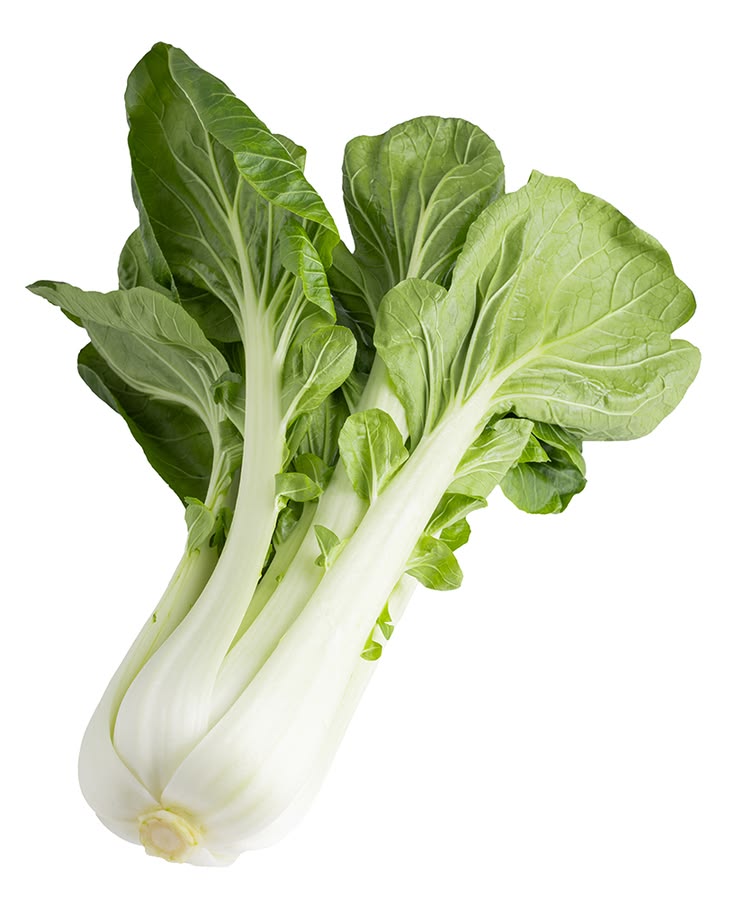
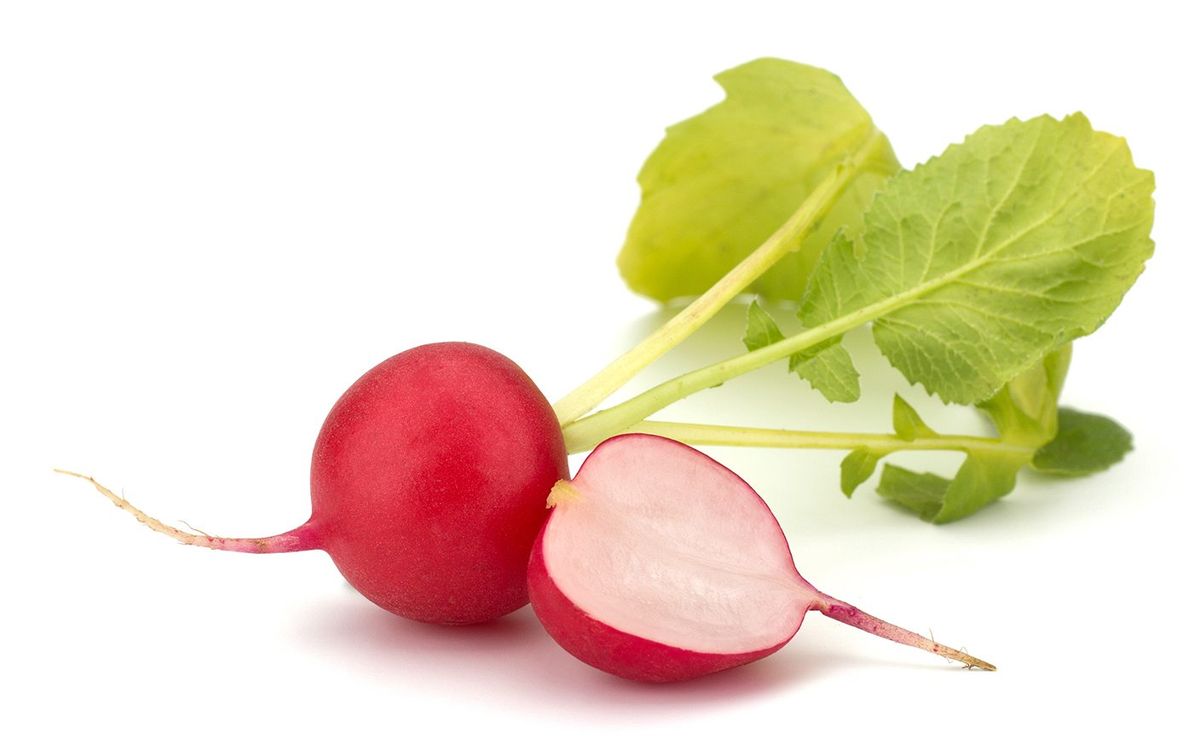
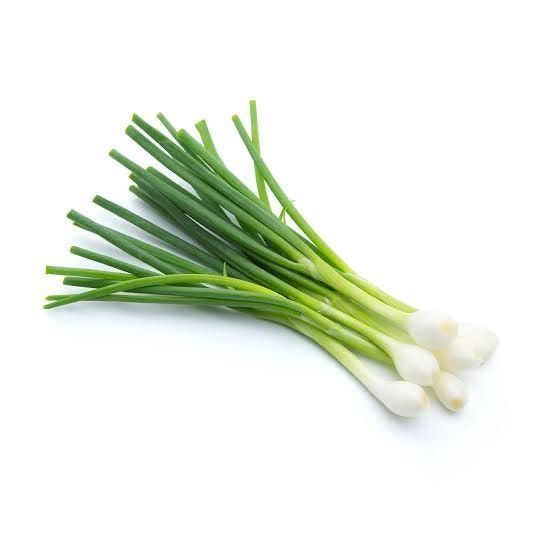
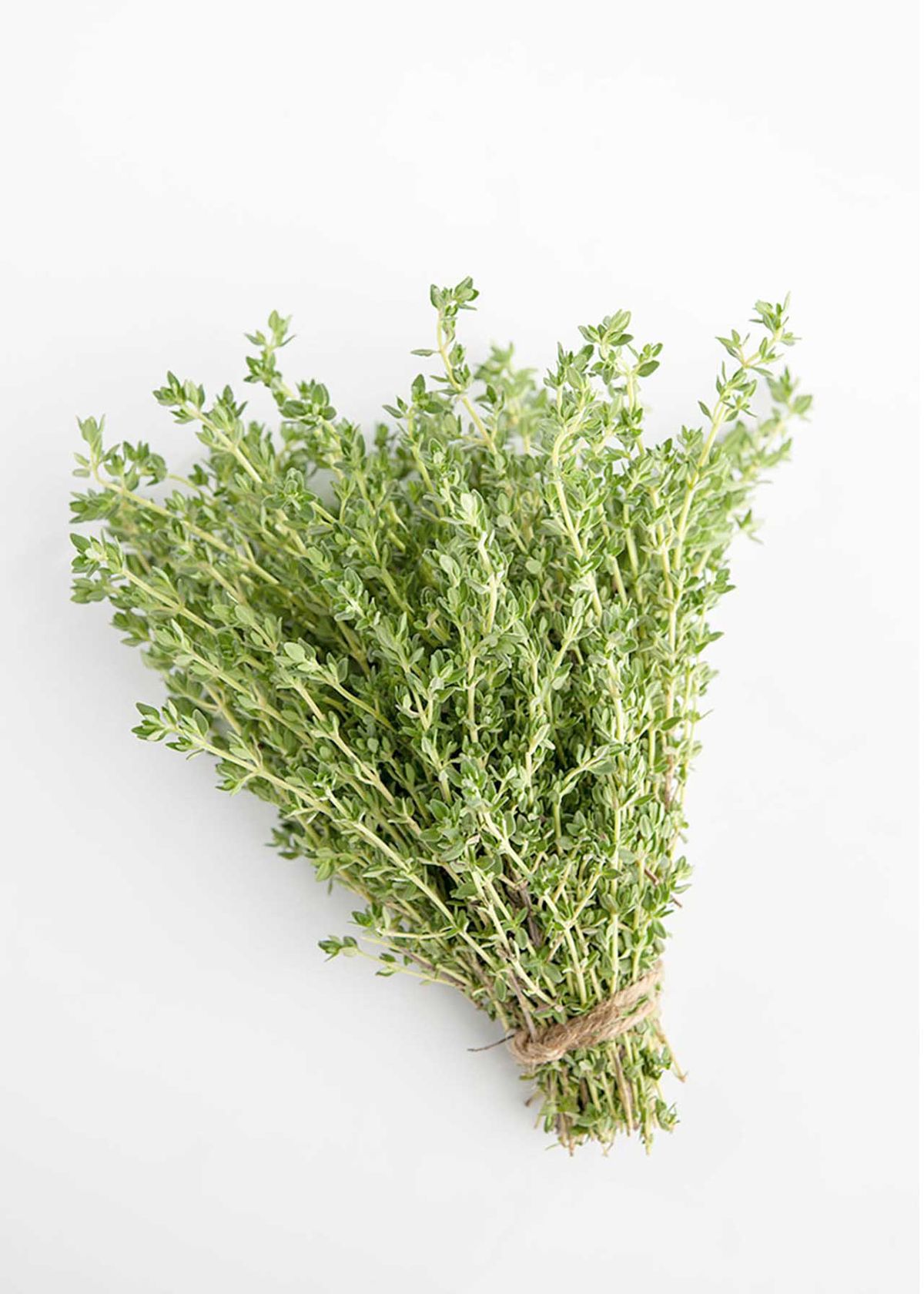
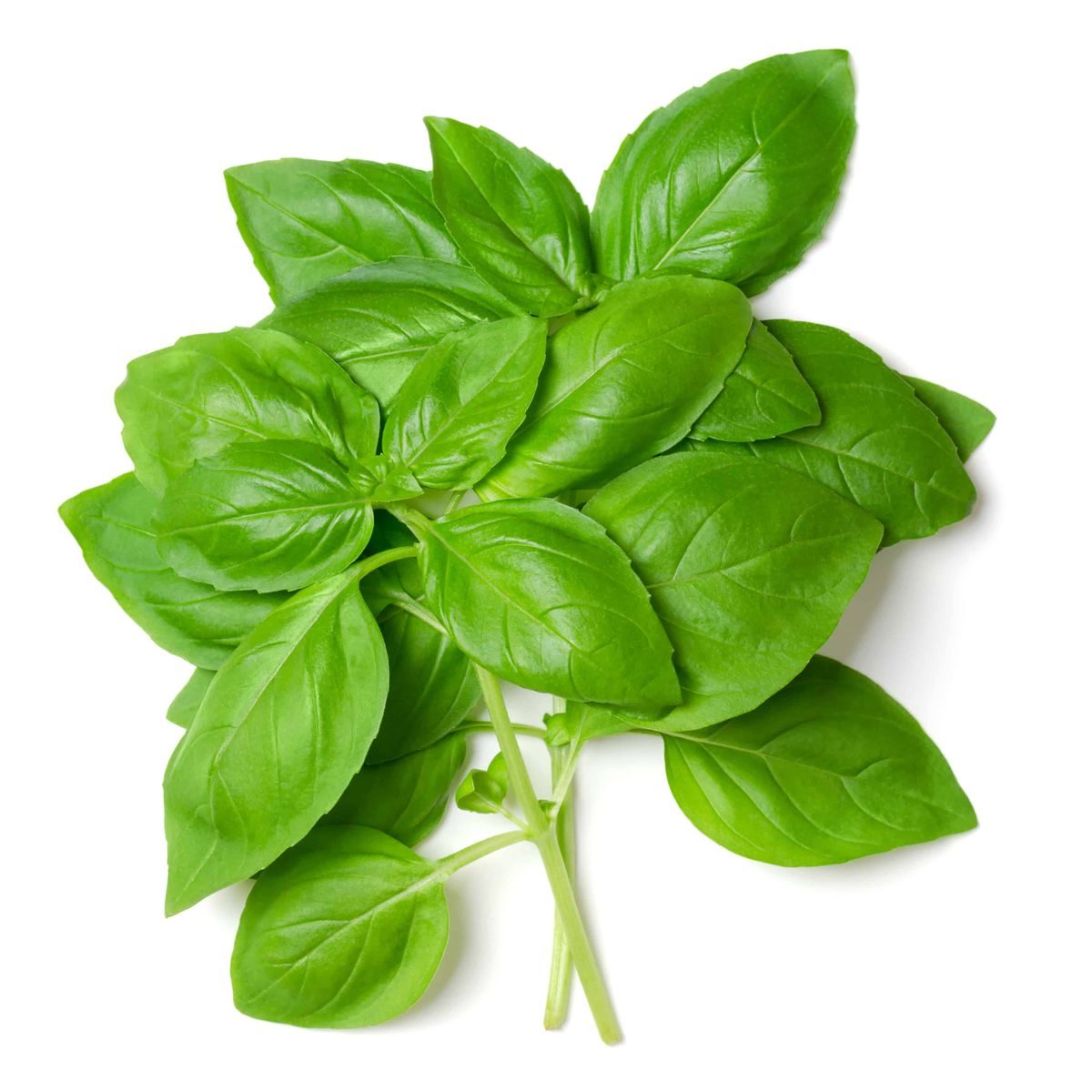
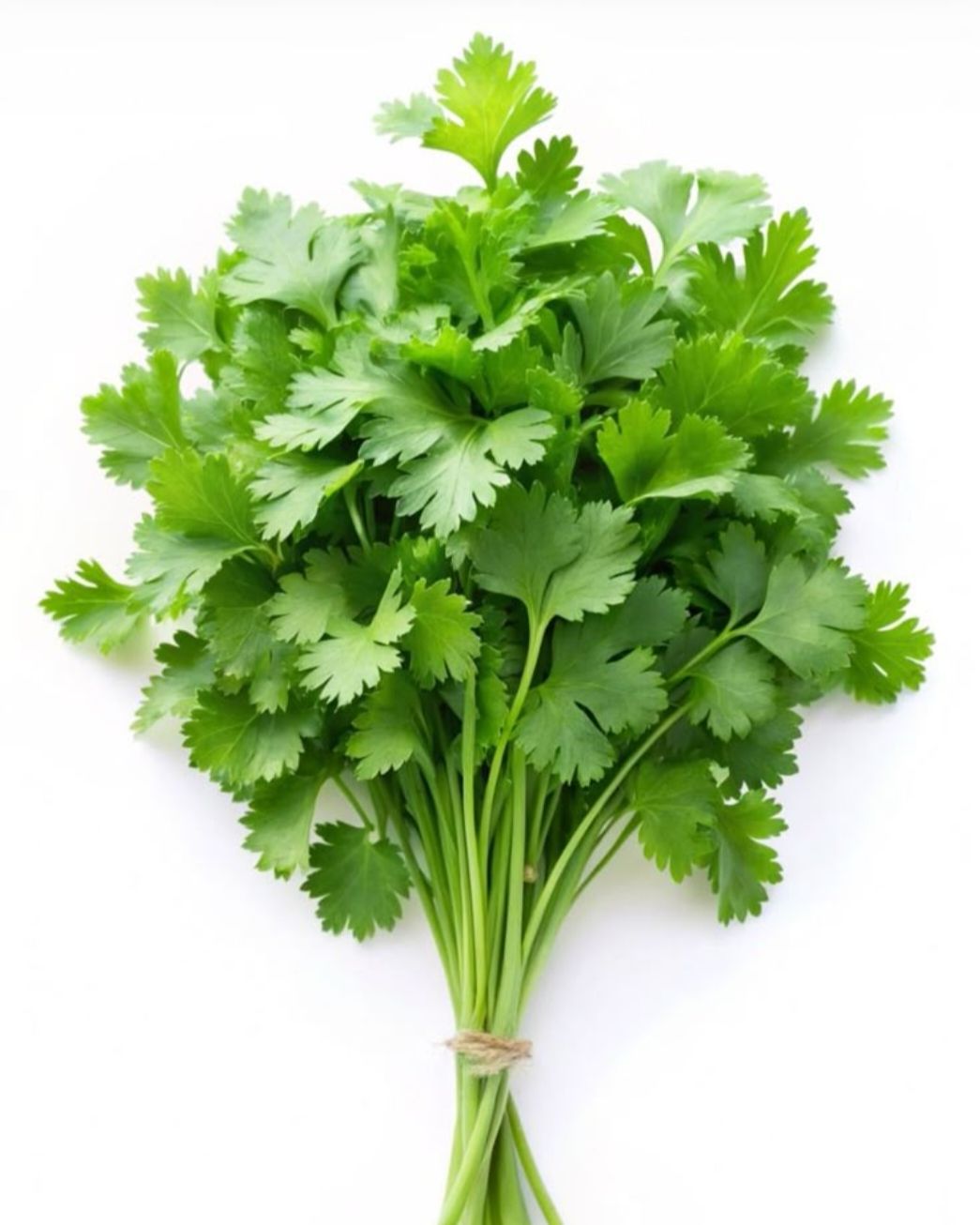
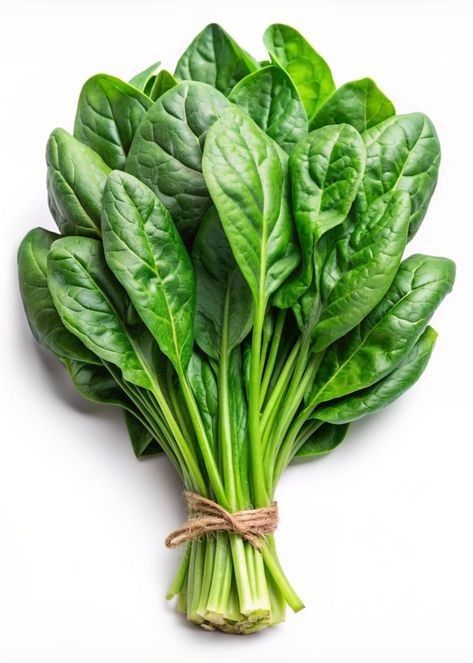
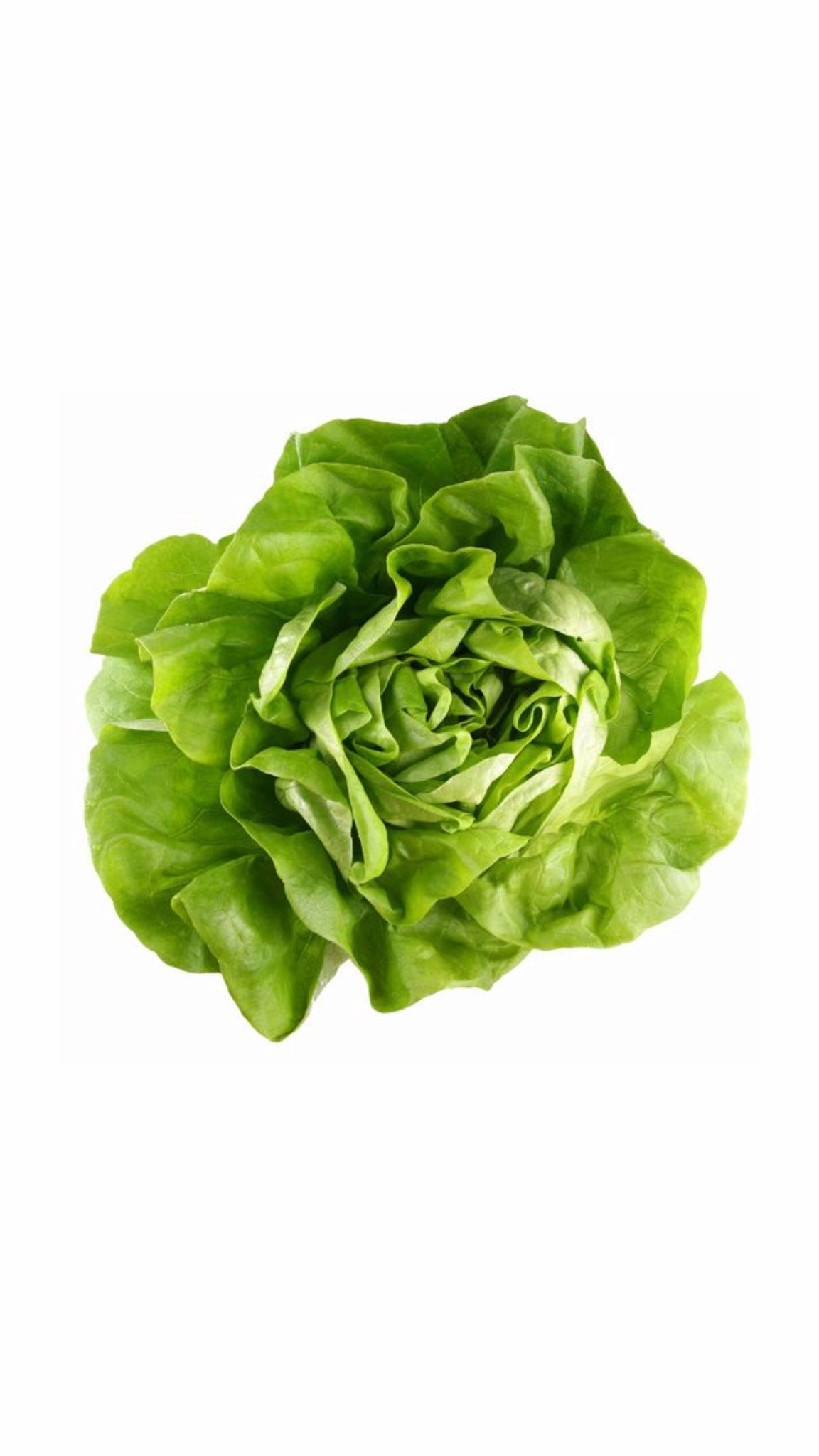
The most reliable windowsill vegetables are radishes, spring onions, lettuce, spinach and pak choi. All tolerate lower light, grow quickly, and do well in shallow containers. Herbs like basil, chives, mint, parsley and thyme also thrive on a sunny windowsill year-round.

Do you need a south-facing window to grow food indoors?

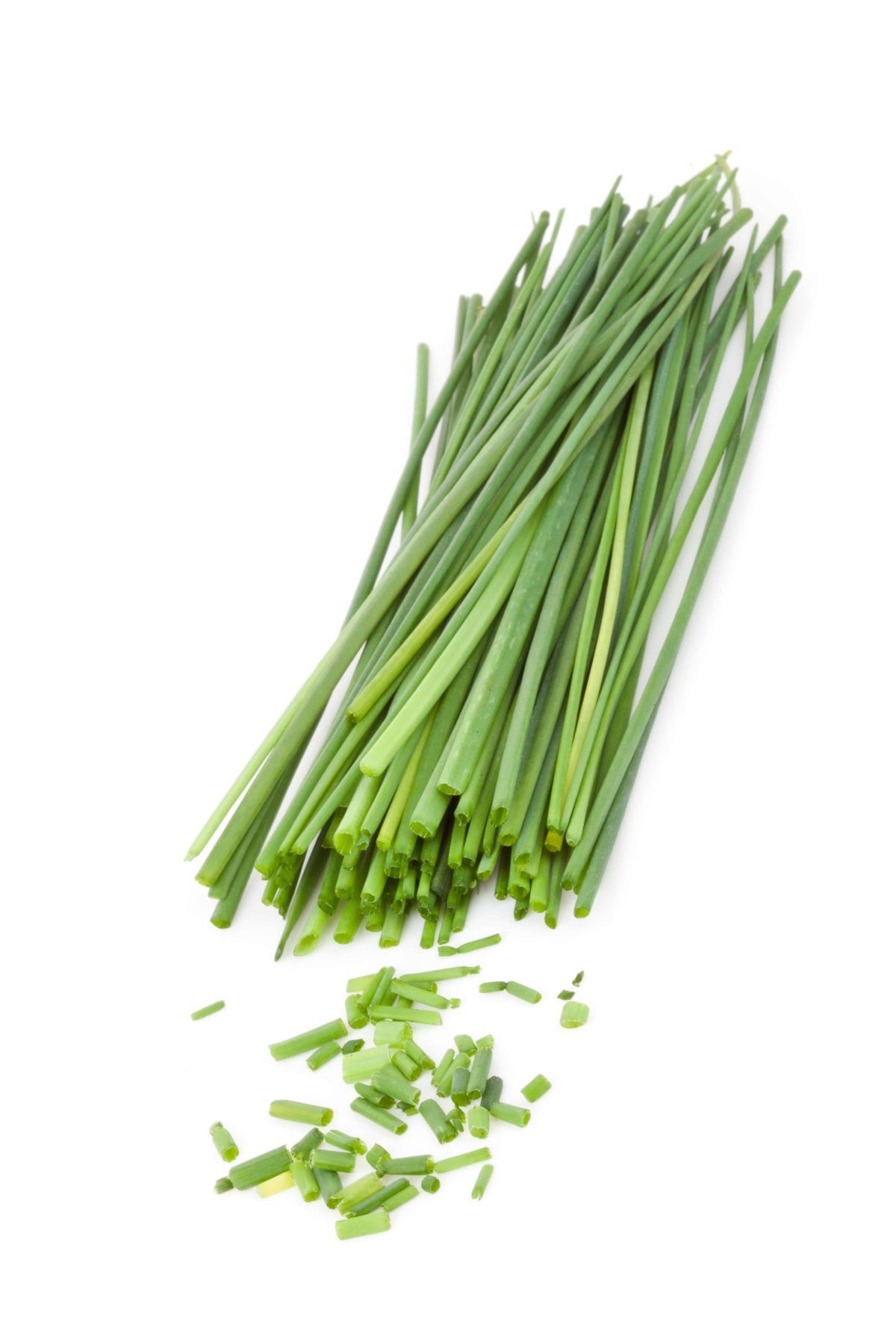
A south-facing window gives you the most options, but it isn't essential. Chives, mint, parsley and spinach all grow well on a north or east-facing sill with less direct sun. Chilli, basil and tomatoes need the brightest spot you have — south or west-facing is best for these.

Can you grow tomatoes on a balcony in the UK?

Yes. Compact and cherry tomato varieties work well in 30-litre pots on a balcony that gets at least 6 hours of sun. Start seeds indoors from February or March, move outside after the last frost — usually mid-May in southern England — and feed weekly once the first flowers appear.

What can you grow on a north-facing balcony?

A north-facing balcony gets limited direct sun, but you can still grow well. Lettuce, spinach, kale, Swiss chard, mint, chives and parsley all tolerate shade. Avoid tomatoes, peppers, cucumbers and strawberries on a north-facing balcony — they need direct sun to fruit well.

What size pots do windowsill herbs need?

Most herbs grow well in pots 15 to 20cm wide. Mint is the exception — it spreads and does better alone in a 25 to 30cm pot. For cut-and-come-again salads and radishes, a window box 60 to 80cm long and at least 15cm deep works well.

When should I start sowing for a balcony or windowsill?

Herbs and salads can be sown year-round on a warm windowsill. For balcony crops, start tender vegetables like tomatoes, chillies and peppers indoors from February or March. Beans, peas and nasturtiums can be sown direct into pots outside from April or May once frosts have passed.

Free Monthly Newsletter

Never miss a
sowing window

Each month: what to sow now, what to move on, and organic growing tips matched to UK conditions.

  • Monthly sowing & transplanting reminders
  • Organic pest tips timed to the season
  • What to harvest and how to store it