Pelham Gardens
Pelham GardensGrow What Matters

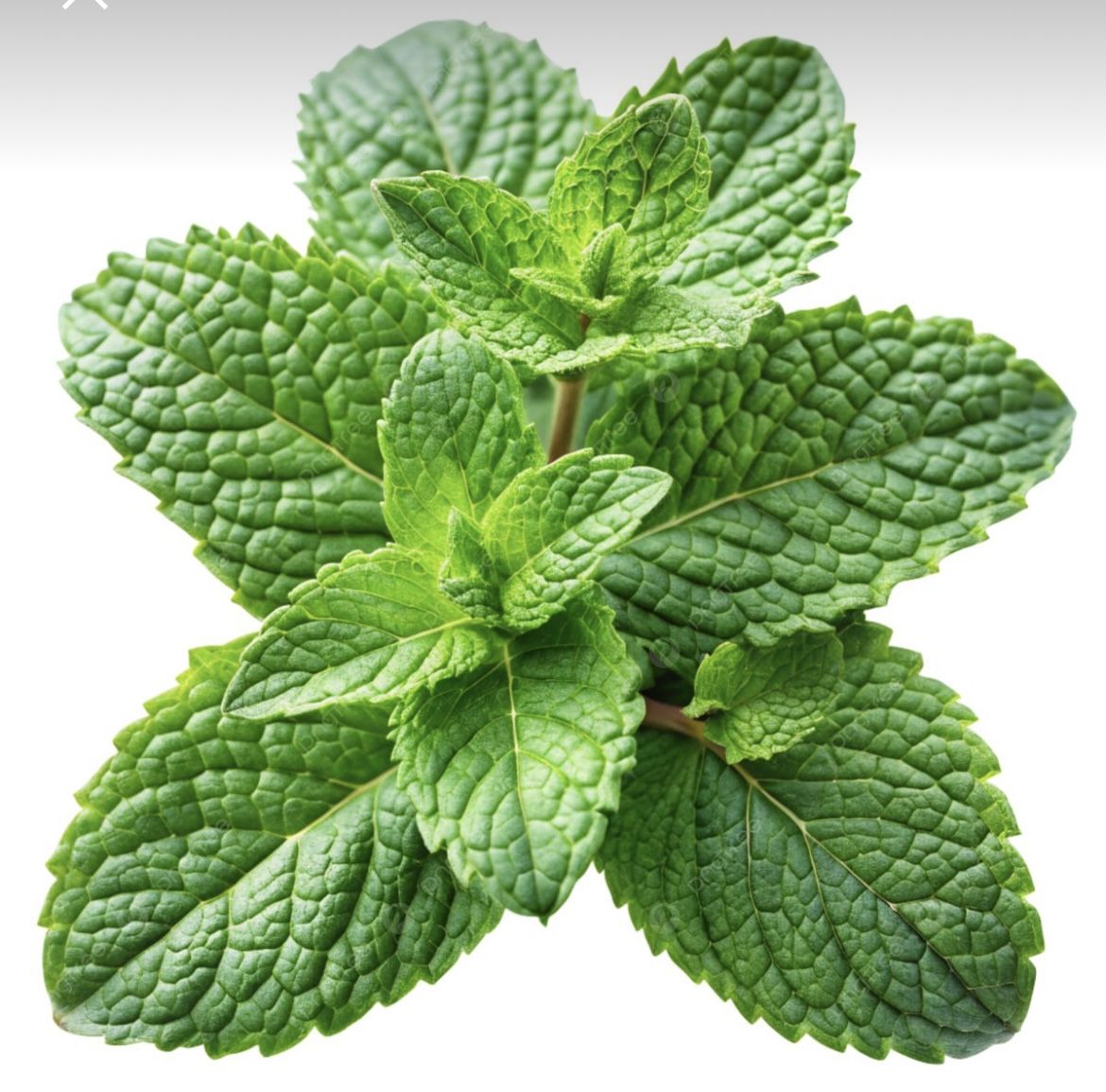
Mint

Vigorous and fragrant. Grow in containers to keep it in check — harvest often for a continuous supply of fresh leaves.

Maturing this month
Great for kids
First sprouts in 10–15 days

Sow

Feb – Mar

Plant Out

Mar – Apr

Harvest

May – Oct

Location

Indoor & Outdoor

Difficulty

Mint

Mint should be ready to harvest this month — check for size and colour.

Growing Calendar

Jan
Feb
Mar
Apr
May
Jun
Jul
Aug
Sep
Oct
Nov
Dec
Sow
Transplant
Harvest

This month: May

Log to journal

Ready to harvest now

  • Check size and ripeness
  • Harvest regularly
  • Store or use fresh

Sowing Guide

What you'd find on the seed packet

Sow Depth

5mm

Spacing

30cm

Germination

10–15days

Thinning

Thin to one plant per pot — or divide runners to propagate new plants

Grower's Note

Easier to propagate from cuttings than seed. Plant in a pot sunk into the ground to contain spreading roots.

Planting Out Guide

Best spaces, conditions and how to plant out

Plant Spacing

30–45cm

Best Grown In

Containers (strongly recommended), raised beds

Conditions

Sun or partial shade. Moisture-retentive soil or compost.

Grower's Note

Mint spreads aggressively via underground runners. Planting inside a buried container prevents it taking over neighbouring beds.

Growing Stages

Approximate weeks from sowing to harvest

Sprouting

1wks

Seeds germinate and first leaves emerge. Keep warm and moist.

Establishing

3wks

Root system develops and plant builds structure. Pot on if needed.

Maturing

4wks

Plant reaches full size and begins producing. Harvest at peak.

Total~8 weeksfrom seed to harvest

Companion Plants

Plant these nearby for natural pest control, better yields, and healthier soil.

Climate Control

Today

C

Humidity

%

Water

Every 2–3 days

Sunlight

3–6 hours sun

Watch Out For

Spreads aggressively through runners

always plant in a container and sink it into the ground to stop roots escaping

Mint rust causes orange spots

remove and burn affected stems immediately; do not compost rust-infected material

Rust-infected plants should not be composted

dispose of them in the bin to prevent spreading rust spores to healthy plants nearby

Pests & Problems

Full guide →

Mint Rust

Orange-yellow pustules on stems and leaves

Apr–Oct

Aphids

Minor colonies on new growth

May–Aug

Mint Beetle

Round holes in leaves

Jun–Aug

What You'll Need

Equipment for growing mint

Modular Seed Tray

96-cell for precision sowing

Fine Rose Watering Can

Gentle shower for seedlings

Bamboo Canes

Pack of 20 × 120cm

Some links are affiliate links — we may earn a small commission at no cost to you.

Grown Organically

Every method in this guide works with natural systems — no synthetic chemicals, no shortcuts.

Read our approach

Common Questions

About growing Mint in the UK

Why does mint spread so aggressively?

Mint spreads via underground stolons (horizontal roots) that can travel 30–60cm or more per season. To contain it, plant mint in a buried pot or a dedicated container. Even surrounded by a physical barrier, it will eventually escape if not monitored.

When should I cut mint back?

Cut mint back hard (to about 10cm above the ground) after flowering in late summer. This stimulates a fresh flush of tender young growth. In spring, remove any dead stems from the previous year to encourage new shoots from the base.

Can I grow mint from cuttings?

Yes — mint is one of the easiest plants to propagate from cuttings. Take a 10cm cutting, remove lower leaves, and place in water or moist compost. Roots form within 1–2 weeks and can be potted on.

Which mint variety is best for cooking?

Spearmint (Mentha spicata) is the standard culinary mint used in cooking, sauces and drinks. Peppermint (Mentha x piperita) is stronger and better for teas. Apple mint and chocolate mint are milder alternatives worth trying.

Member guides

There's more to growing Mint than this guide covers.

Seasonal reminders, deeper guides, and the small adjustments that change a harvest.
See what's included

UK Gardening Guide Newsletter

Get Monthly UK
Gardening Tips

Seasonal sowing reminders, what to plant now, and practical growing advice — delivered free every month.