Pelham Gardens
Pelham GardensGrow What Matters

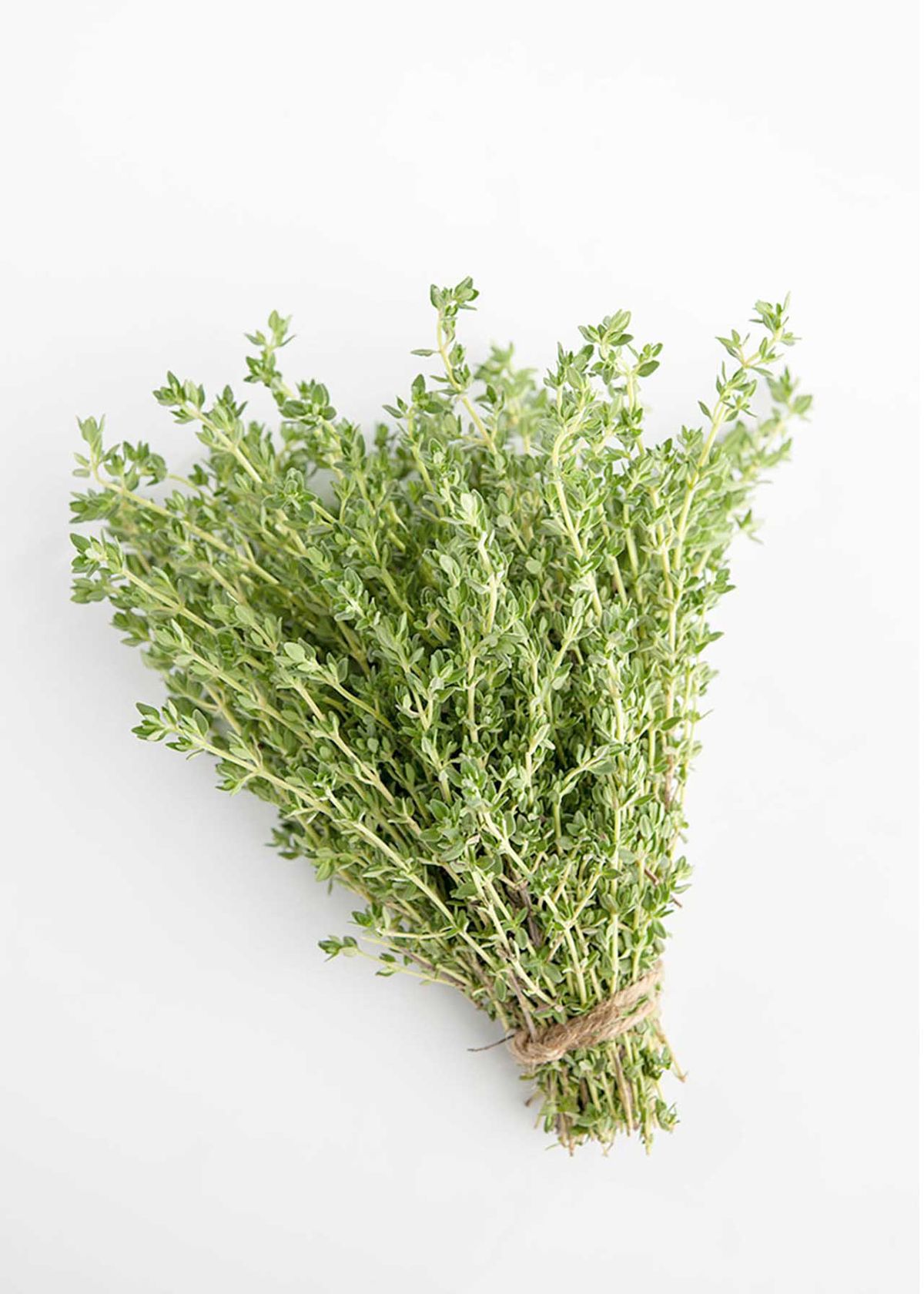
Thyme

Hardy and intensely aromatic. Thrives in poor, dry soil with full sun — one of the easiest herbs to grow.

Establishing this month
First sprouts in 14–21 days

Sow

Feb – May

Plant Out

Apr – May

Harvest

May – Oct

Location

Outdoors

Difficulty

Thyme

Plant out your Thyme this month — conditions are right now.

Growing Calendar

Jan
Feb
Mar
Apr
May
Jun
Jul
Aug
Sep
Oct
Nov
Dec
Sow
Transplant
Harvest

This month: May

Log to journal

Move seedlings outside carefully

  • Harden off plants
  • Prepare soil outdoors
  • Space plants correctly
  • Water well after planting

Sowing Guide

What you'd find on the seed packet

Sow Depth

Surface sow (press lightly)

Spacing

30cm

Germination

14–21days

Thinning

Thin to one plant per 30cm

Grower's Note

Surface sow and press lightly — thyme needs light to germinate. Do not cover seeds deeply.

Planting Out Guide

Best spaces, conditions and how to plant out

Plant Spacing

20–30cm

Best Grown In

Raised beds, containers, rockeries, borders

Conditions

Full sun. Well-drained, gritty, low-fertility soil. Drought-tolerant once established.

Grower's Note

Thrives in poor, dry soil — avoid over-feeding, which produces soft, flavourless growth. Clip lightly after flowering to keep compact.

Growing Stages

Approximate weeks from sowing to harvest

Sprouting

2wks

Seeds germinate and first leaves emerge. Keep warm and moist.

Establishing

6wks

Root system develops and plant builds structure. Pot on if needed.

Maturing

8wks

Plant reaches full size and begins producing. Harvest at peak.

Total~16 weeksfrom seed to harvest

Companion Plants

Plant these nearby for natural pest control, better yields, and healthier soil.

Climate Control

Today

C

Humidity

%

Water

Every 3–4 days

Sunlight

6+ hours direct sun

Watch Out For

Poor drainage causes root rot in winter

plant in free-draining soil or add horticultural grit; raise containers slightly to improve drainage in wet weather

Old woody plants become unproductive

replace every 3–4 years and take softwood cuttings in spring to carry on the same variety

Botrytis in wet, cold conditions

improve airflow around the plant and avoid overhead watering; remove affected stems promptly

Pests & Problems

Full guide →

Rosemary Beetle

Metallic striped beetles and larvae on stems

Sep–Apr

Aphids

Minor colonies on new growth

Apr–Jul

What You'll Need

Equipment for growing thyme

Modular Seed Tray

96-cell for precision sowing

Fine Rose Watering Can

Gentle shower for seedlings

Bamboo Canes

Pack of 20 × 120cm

Some links are affiliate links — we may earn a small commission at no cost to you.

Grown Organically

Every method in this guide works with natural systems — no synthetic chemicals, no shortcuts.

Read our approach

Common Questions

About growing Thyme in the UK

Does thyme need a lot of water?

No — thyme is drought-tolerant once established and prefers dry conditions. Water newly planted thyme until established (2–3 weeks), then water sparingly. In containers, allow the compost to dry out almost completely between waterings.

When should I harvest thyme?

Harvest thyme just before or during flowering for the most intense flavour — typically June to August. Cut back by up to one-third, taking fresh young stems. Avoid cutting into old woody growth.

How long does thyme live?

Thyme is a perennial that typically lasts 3–5 years before becoming woody and less productive. Replace plants by taking cuttings or layering stems in late spring. New plants root easily and give a fresh productive start.

Can I grow thyme indoors?

Yes, but thyme needs very bright light — a south-facing windowsill is best. Indoors it can become leggy without enough light. A sunny windowsill in summer is fine; in winter, supplemental grow lighting helps maintain a productive plant.

Member guides

There's more to growing Thyme than this guide covers.

Seasonal reminders, deeper guides, and the small adjustments that change a harvest.
See what's included

UK Gardening Guide Newsletter

Get Monthly UK
Gardening Tips

Seasonal sowing reminders, what to plant now, and practical growing advice — delivered free every month.