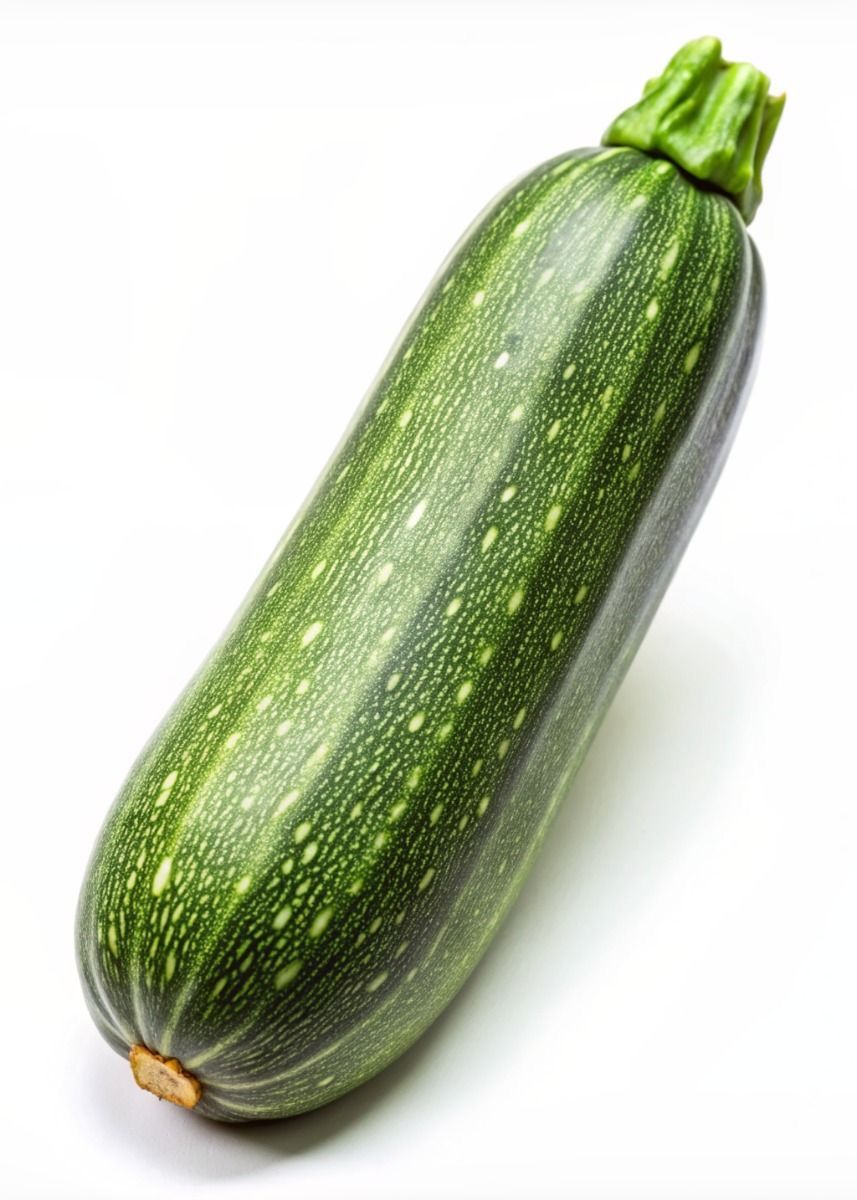
Courgette should be ready to harvest this month — check for size and colour.
Growing Calendar
This month: Jul
Log to journalReady to harvest now
- •Check size and ripeness
- •Harvest regularly
- •Store or use fresh


Watch Out For
Powdery mildew in late summer
improve airflow, avoid wetting the foliage and remove the worst-affected leaves promptly
Slugs destroy young plants
protect with copper tape, grit or pellets and only plant out once plants are sturdy
Harvest frequently to prevent oversized fruits
large marrow-sized courgettes signal the plant to stop producing



Grown Organically
Every method in this guide works with natural systems — no synthetic chemicals, no shortcuts.
Read our approachCommon Questions
About growing Courgette in the UK
When should I plant courgettes outside in the UK?
Plant courgettes outside from late May to early June, after the last frost. Start seeds indoors in April–May and harden off for 1–2 weeks before planting. Courgettes are frost-tender and will be killed by even a light frost.
Why are my courgette flowers falling off without setting fruit?
Courgettes produce both male and female flowers. Early in the season, mainly male flowers appear (these fall off naturally). Once female flowers appear (with a tiny courgette behind the petals), pollination by bees is needed. In poor weather, hand-pollinate using a small brush.
Why is my courgette plant wilting even when watered?
Sudden wilting in an otherwise healthy plant often indicates courgette mosaic virus, spread by aphids. There is no cure — remove and destroy affected plants. Powdery mildew (white coating on leaves) appears in late summer and is normal; it does not stop fruiting.
How often should I harvest courgettes?
Pick courgettes when they are 15–20cm long for the best flavour and texture. Check plants every 1–2 days in peak season — left on the plant, they become marrows within days, which reduces continued production significantly.
Do courgettes need feeding?
Yes — courgettes are hungry crops. Before planting, dig in a generous amount of well-rotted compost or manure. Once plants are established and flowering begins, apply a high-potassium liquid feed every two weeks. Courgettes that receive no potassium feed after flowering often produce only a handful of fruits despite vigorous plant growth.
Member guides
There's more to growing Courgette than this guide covers.
Seasonal reminders, deeper guides, and the small adjustments that change a harvest.