Pelham Gardens
Pelham GardensGrow What Matters

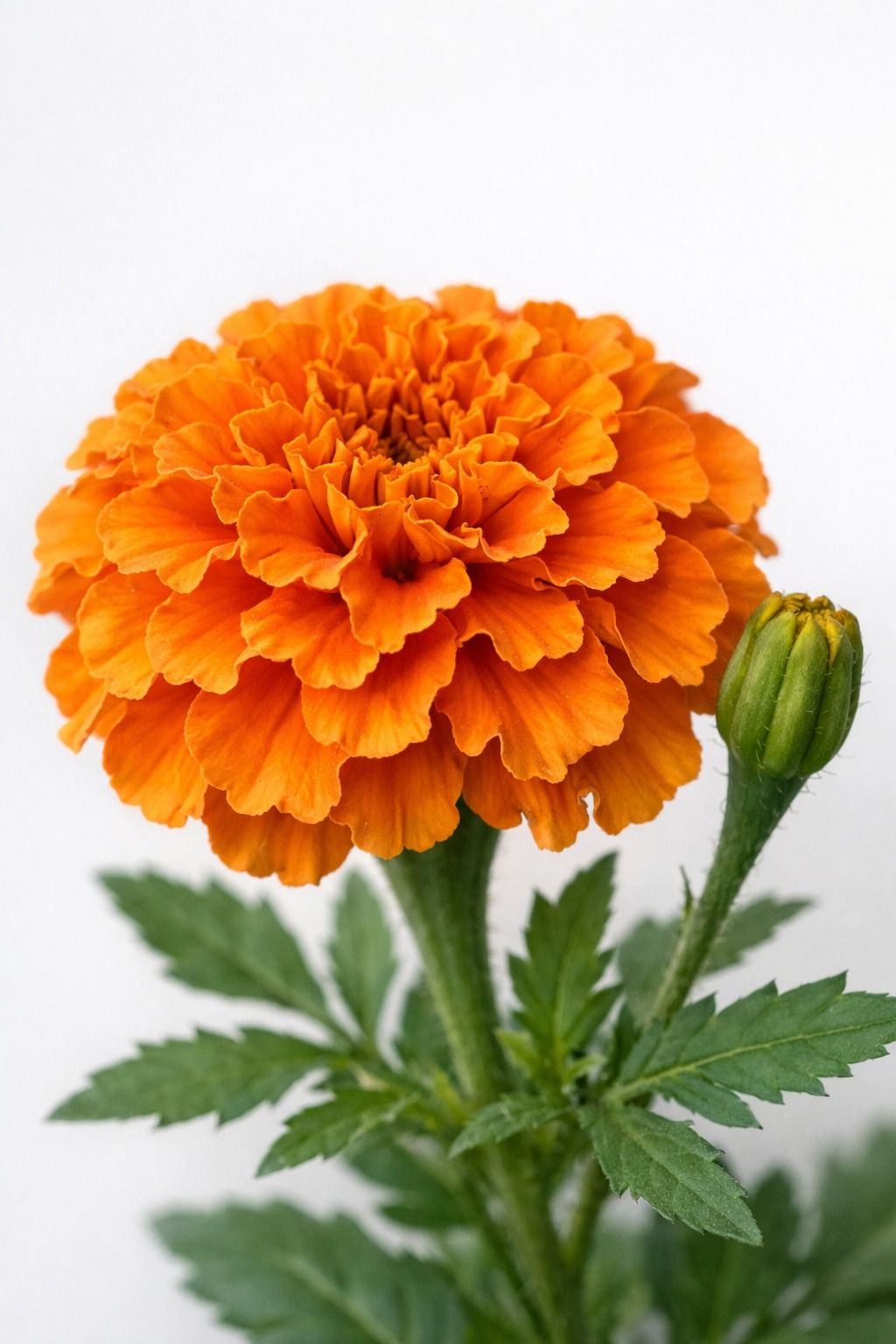
Marigold

A companion planting essential. Deters pests and brings colour to any growing space.

Establishing this month
Great for kids
First sprouts in 5–10 days

Sow

Feb – May

Plant Out

Apr – May

Harvest

Jun – Oct

Location

Indoor & Outdoor

Difficulty

Marigold

Plant out your Marigold this month — conditions are right now.

Growing Calendar

Jan
Feb
Mar
Apr
May
Jun
Jul
Aug
Sep
Oct
Nov
Dec
Sow
Transplant
Harvest

This month: May

Log to journal

Move seedlings outside carefully

  • Harden off plants
  • Prepare soil outdoors
  • Space plants correctly
  • Water well after planting

Sowing Guide

What you'd find on the seed packet

Sow Depth

5mm

Spacing

20–30cm

Germination

5–10days

Thinning

Thin to 20cm apart when seedlings are large enough to handle

Grower's Note

Sow indoors Feb–Mar for earlier flowers, or direct outdoors Apr–May into warm soil.

Planting Out Guide

Best spaces, conditions and how to plant out

Plant Spacing

20–30cm

Best Grown In

Raised beds, containers, open ground, between vegetables

Conditions

Full sun. Any well-drained soil. Very tolerant once established.

Grower's Note

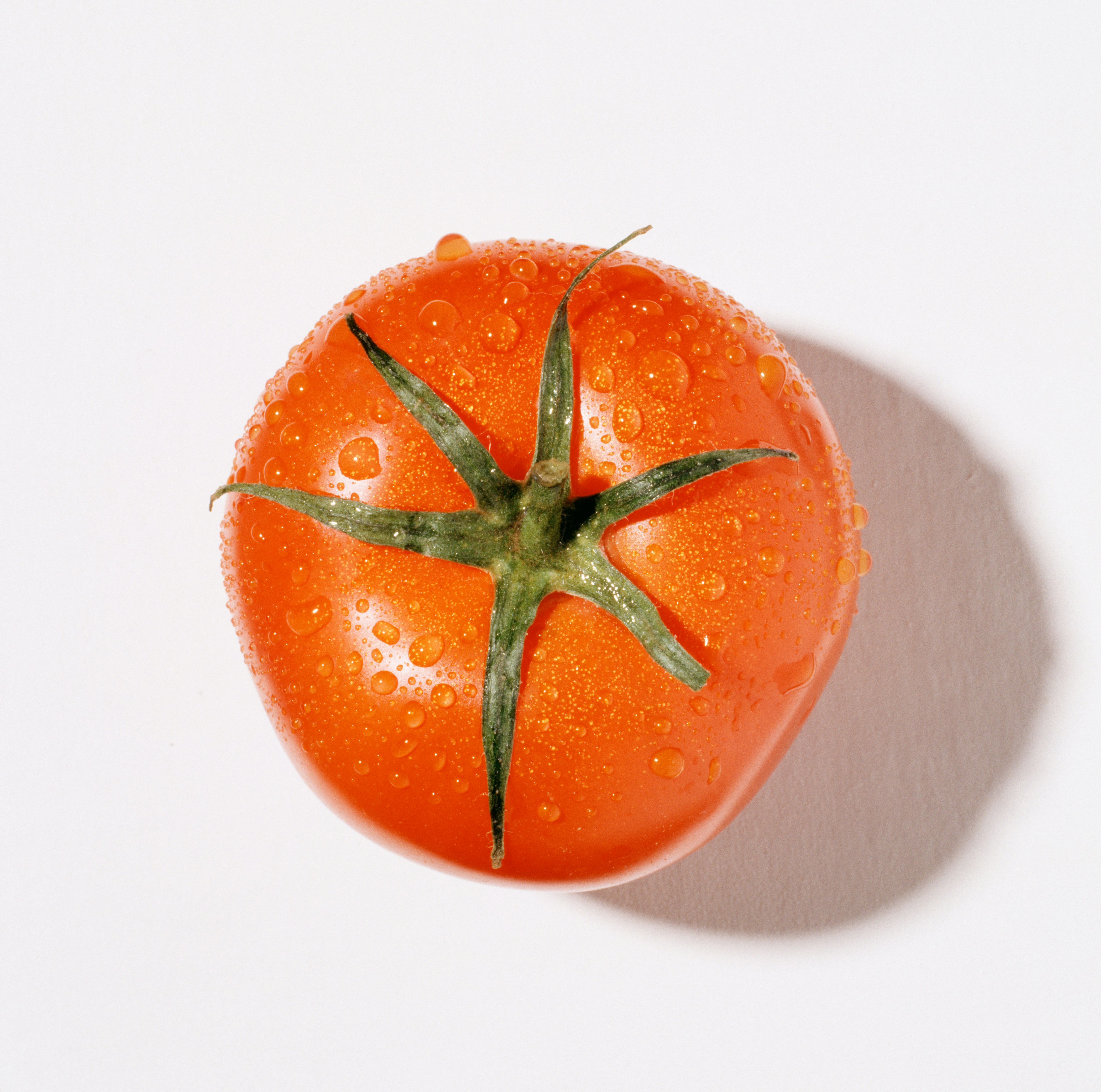
Excellent companion plant — deters aphids and whitefly when grown near tomatoes and beans. Deadhead regularly.

Growing Stages

Approximate weeks from sowing to harvest

Sprouting

1wks

Seeds germinate and first leaves emerge. Keep warm and moist.

Establishing

3wks

Root system develops and plant builds structure. Pot on if needed.

Maturing

6wks

Plant reaches full size and begins producing. Harvest at peak.

Total~10 weeksfrom seed to harvest

Companion Plants

Plant these nearby for natural pest control, better yields, and healthier soil.

Climate Control

Today

C

Humidity

%

Water

Every 3–4 days

Sunlight

6+ hours direct sun

Watch Out For

Grey mould in wet conditions

improve airflow, remove spent flowers promptly and avoid overhead watering

Aphids cluster on stems

spray with a dilute soap solution or encourage ladybirds by avoiding broad-spectrum insecticides

Pests & Problems

Full guide →

Slugs

Holes in young leaves and stems

Apr–Jun

Aphids

Colonies on growing tips

Jun–Aug

Organic Gardening

Feed & protect without buying

Feed

Compost Tea

Light feeders — a monthly compost tea watered around the base is enough to keep plants flowering strongly all season.

Pest

They Deter Pests Naturally

Marigolds repel nematodes and confuse whitefly with their scent. Plant alongside vulnerable crops for passive protection.

More recipes on the Sustainability pageExplore →

What You'll Need

Equipment for growing marigold

Seeds — Just Seed

Wide variety, UK-grown selections

Modular Seed Tray

96-cell for precision sowing

Heated Propagator

Reliable germination indoors

Some links are affiliate links — we may earn a small commission at no cost to you.

Grown Organically

Every method in this guide works with natural systems — no synthetic chemicals, no shortcuts.

Read our approach

Common Questions

About growing Marigold in the UK

When do I sow marigolds in the UK?

Sow marigolds indoors from March–April or directly outside from mid-May after the last frost. They germinate quickly and are in flower within 8–10 weeks of sowing.

Do marigolds really deter pests?

French marigolds (Tagetes patula) emit a root exudate that deters soil nematodes, and their scent confuses aphids and whitefly. Planting them alongside tomatoes, peppers and cucumbers is widely used in organic growing.

How do I keep marigolds flowering all season?

Deadhead spent flowers regularly to prevent the plant setting seed and to encourage new blooms. In hot, dry periods, water at the base. They will typically flower from June until the first frost.

Are marigolds edible?

Yes — the petals of Calendula officinalis (pot marigold) are edible and can be used in salads, soups and as a garnish. French marigold (Tagetes) petals are also edible but more bitter.

Member guides

There's more to growing Marigold than this guide covers.

Seasonal reminders, deeper guides, and the small adjustments that change a harvest.
See what's included

UK Gardening Guide Newsletter

Get Monthly UK
Gardening Tips

Seasonal sowing reminders, what to plant now, and practical growing advice — delivered free every month.