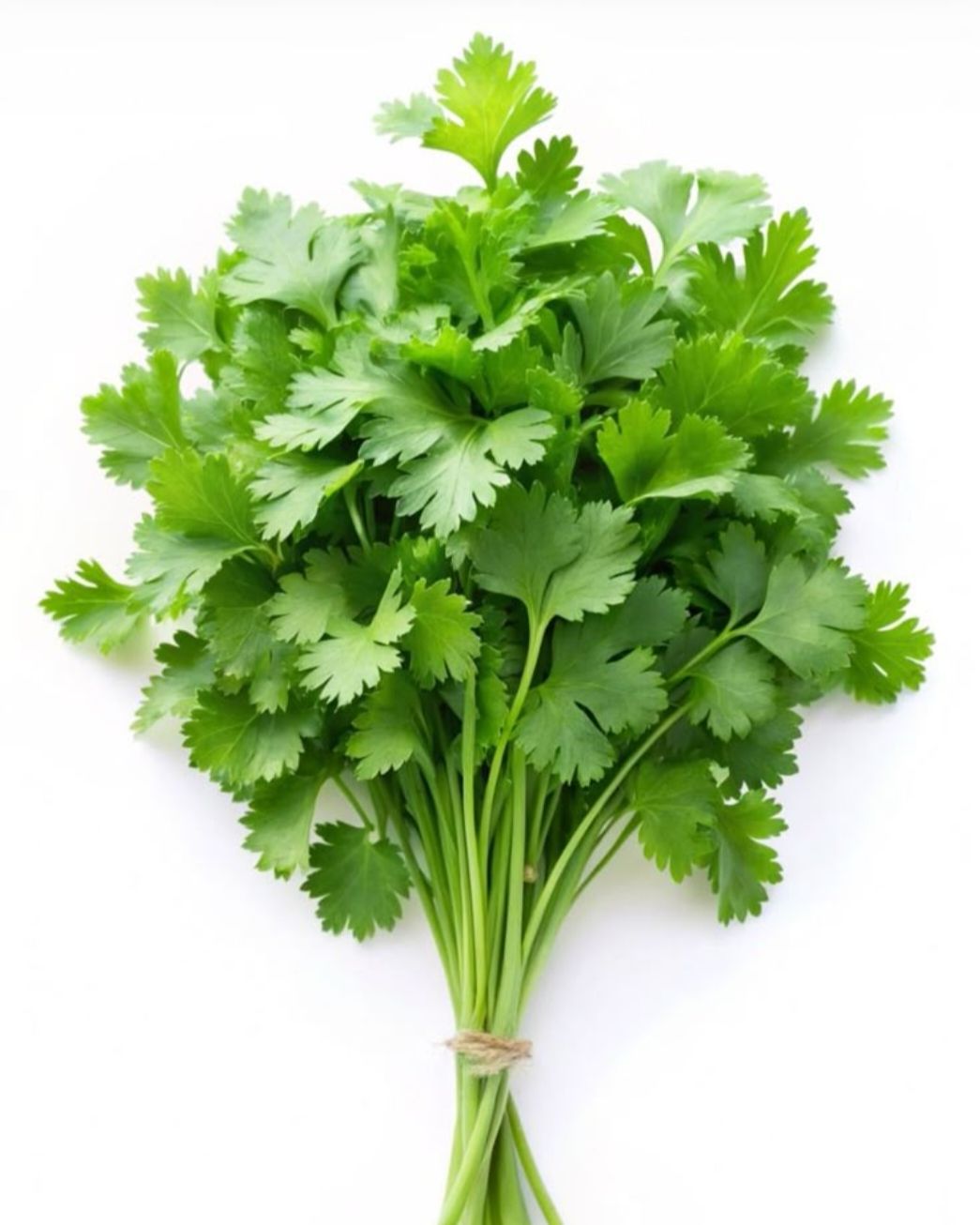
Parsley should be ready to harvest this month — check for size and colour.
Growing Calendar
This month: Jul
Log to journalReady to harvest now
- •Check size and ripeness
- •Harvest regularly
- •Store or use fresh


Watch Out For
Notoriously slow to germinate
sow thickly, water gently and be patient; soaking seeds overnight in warm water helps speed things up
Bolts in its second year
treat as annual and resow each spring for the best leaf production
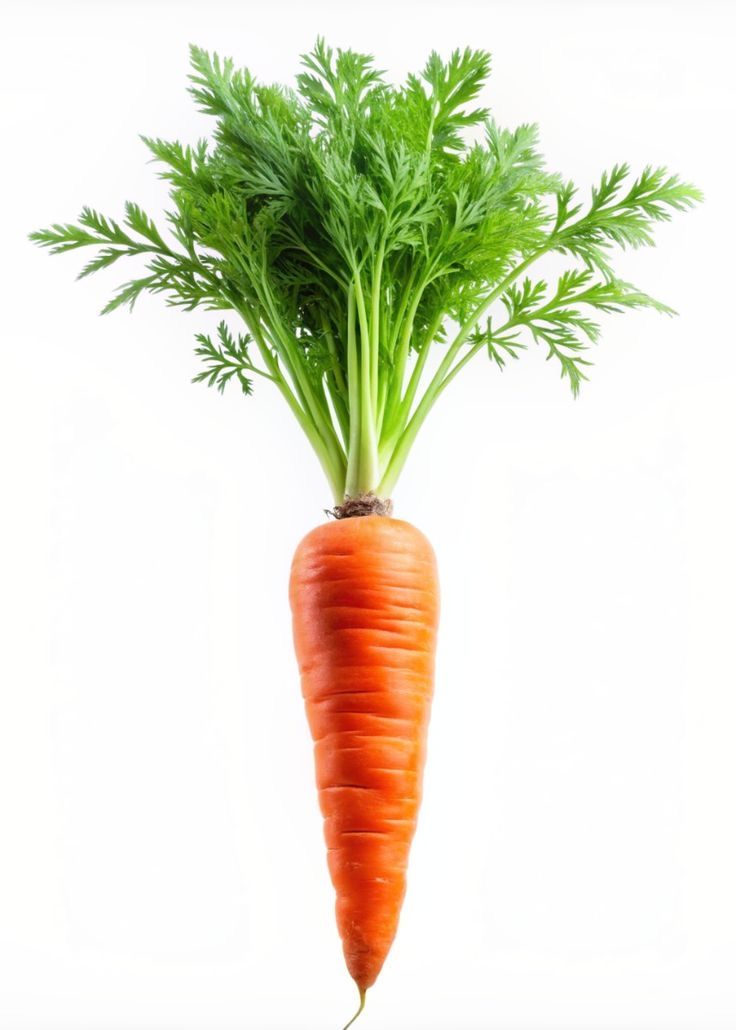
Carrot fly attacks the roots
protect with fine insect mesh from late March to early May and again in August


Grown Organically
Every method in this guide works with natural systems — no synthetic chemicals, no shortcuts.
Read our approachCommon Questions
About growing Parsley in the UK
Why is my parsley slow to germinate?
Parsley is notoriously slow to germinate — taking 3–6 weeks, sometimes longer. Soak seeds in warm water for 24 hours before sowing to speed germination. Bottom heat from a propagator at 18–21°C also helps significantly.
Why does my parsley keep dying?
Parsley often fails due to overwatering in the first weeks, or from being moved from warm propagation conditions to cold windowsills too quickly. Keep it in a consistent, warm, well-lit spot and avoid waterlogging the roots.
Is flat-leaf or curly parsley better?
Flat-leaf (Italian) parsley has a stronger, more complex flavour and is preferred in cooking. Curly parsley is milder and more commonly used as a garnish. Both are easy to grow — grow whichever you use most in the kitchen.
Does parsley come back every year?
Parsley is biennial — it grows in its first year, then flowers and sets seed in its second year before dying. It is best grown fresh each year from seed for the best leaf production.
Member guides
There's more to growing Parsley than this guide covers.
Seasonal reminders, deeper guides, and the small adjustments that change a harvest.