Pelham Gardens
Pelham GardensGrow What Matters

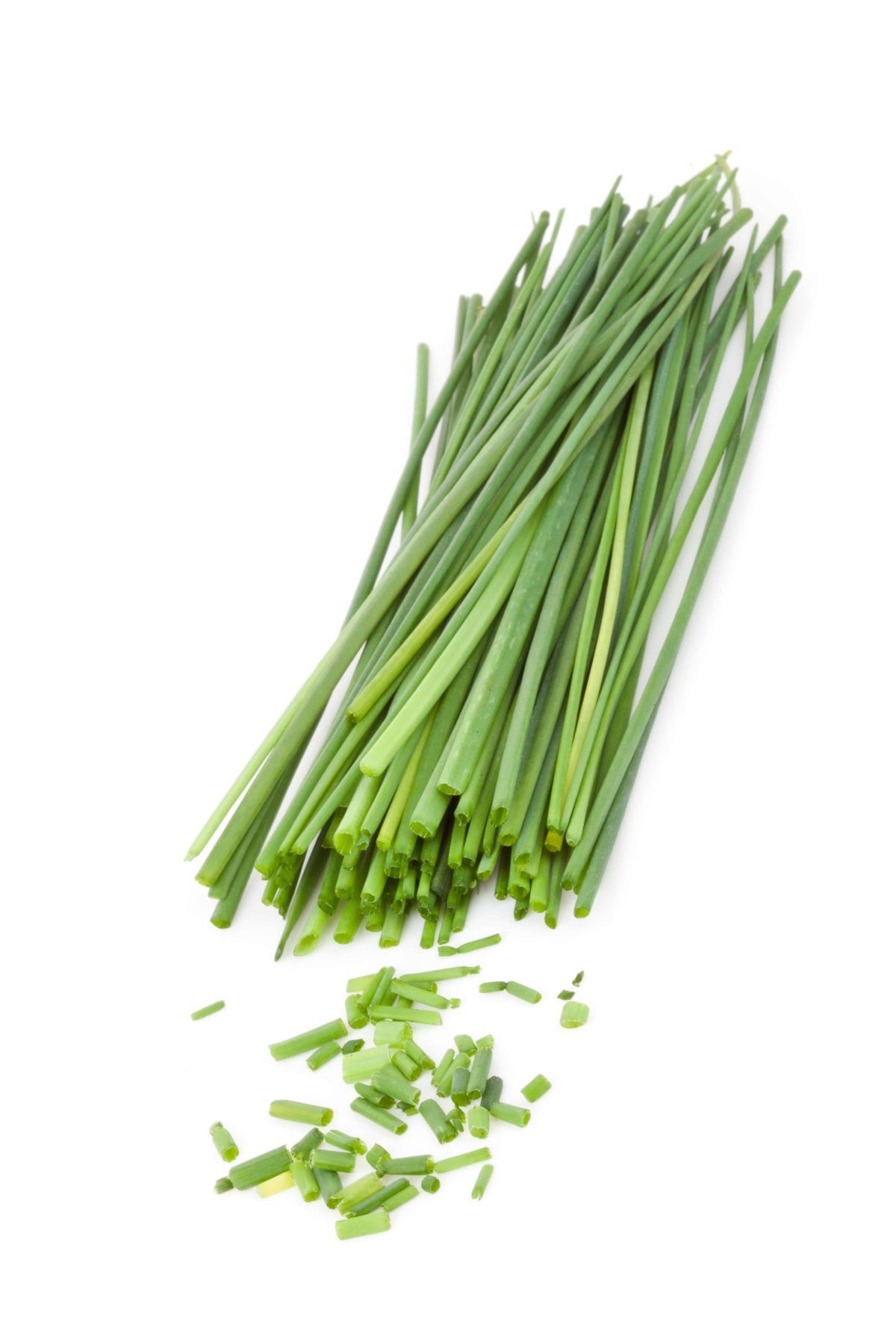
Chives

Mild onion flavour with delicate purple flowers. Cut back regularly for a continuous supply of fresh snipping leaves.

Maturing this month
First sprouts in 7–14 days

Sow

Feb – May

Plant Out

Mar – Apr

Harvest

Apr – Oct

Location

Indoor & Outdoor

Difficulty

Chives

Chives should be ready to harvest this month — check for size and colour.

Growing Calendar

Jan
Feb
Mar
Apr
May
Jun
Jul
Aug
Sep
Oct
Nov
Dec
Sow
Transplant
Harvest

This month: May

Log to journal

Ready to harvest now

  • Check size and ripeness
  • Harvest regularly
  • Store or use fresh

Sowing Guide

What you'd find on the seed packet

Sow Depth

5mm

Spacing

15cm

Germination

7–14days

Thinning

Sow 6–8 seeds per module and plant out as a clump — no individual thinning needed

Grower's Note

Sowing in small clusters rather than single seeds gives a fuller, more productive clump from the start.

Planting Out Guide

Best spaces, conditions and how to plant out

Plant Spacing

20–30cm

Best Grown In

Containers, raised beds, borders

Conditions

Full sun to partial shade. Fertile, well-drained soil or compost.

Grower's Note

Divide clumps every 2–3 years to reinvigorate. Allow flowers to develop for pollinators — they are edible and attractive.

Growing Stages

Approximate weeks from sowing to harvest

Sprouting

1wks

Seeds germinate and first leaves emerge. Keep warm and moist.

Establishing

4wks

Root system develops and plant builds structure. Pot on if needed.

Maturing

6wks

Plant reaches full size and begins producing. Harvest at peak.

Total~11 weeksfrom seed to harvest

Companion Plants

Plant these nearby for natural pest control, better yields, and healthier soil.

Climate Control

Today

C

Humidity

%

Water

Every 3–4 days

Sunlight

6+ hours direct sun

Watch Out For

Onion thrips cause silver streaking on leaves

remove heavily affected leaves, improve airflow and try a garlic spray as a deterrent

Allow to flower sparingly

the edible purple blooms are attractive but redirect energy away from leaf production; deadhead most flowers promptly if leaves are the priority

Downy mildew in overcrowded or poorly ventilated conditions

divide clumps every 2–3 years and ensure adequate spacing to keep air circulating

Pests & Problems

Full guide →

Allium Leaf Miner

White flecks on leaves

Mar–Apr & Oct–Nov

Onion Fly

Yellowing

May–Aug

Aphids

Minor colonies

Apr–Jul

What You'll Need

Equipment for growing chives

Modular Seed Tray

96-cell for precision sowing

Fine Rose Watering Can

Gentle shower for seedlings

Bamboo Canes

Pack of 20 × 120cm

Some links are affiliate links — we may earn a small commission at no cost to you.

Grown Organically

Every method in this guide works with natural systems — no synthetic chemicals, no shortcuts.

Read our approach

Common Questions

About growing Chives in the UK

When do chives come back after winter?

Chives die back to the ground in winter and regrow reliably from the base in early spring (February–March). They are among the first fresh herbs to appear in the garden each year.

Can I cut chives right down?

Yes — cutting chives back to 5cm above the ground stimulates a fresh flush of tender young growth. Do this 2–3 times during the growing season, especially after flowering. The plant responds vigorously each time.

Are chive flowers edible?

Yes — chive flowers are fully edible and have a mild, onion flavour. They make attractive garnishes on salads and soups. They are also valuable for pollinators — leaving some to flower attracts bees.

How do I divide chives?

Divide chive clumps in spring or autumn every 2–3 years. Lift the entire clump, divide into smaller sections with your hands or a knife, and replant at 20–30cm spacing. Division reinvigorates the plant and increases your stock.

Member guides

There's more to growing Chives than this guide covers.

Seasonal reminders, deeper guides, and the small adjustments that change a harvest.

See what's included

UK Gardening Guide Newsletter

Get Monthly UK
Gardening Tips

Seasonal sowing reminders, what to plant now, and practical growing advice — delivered free every month.