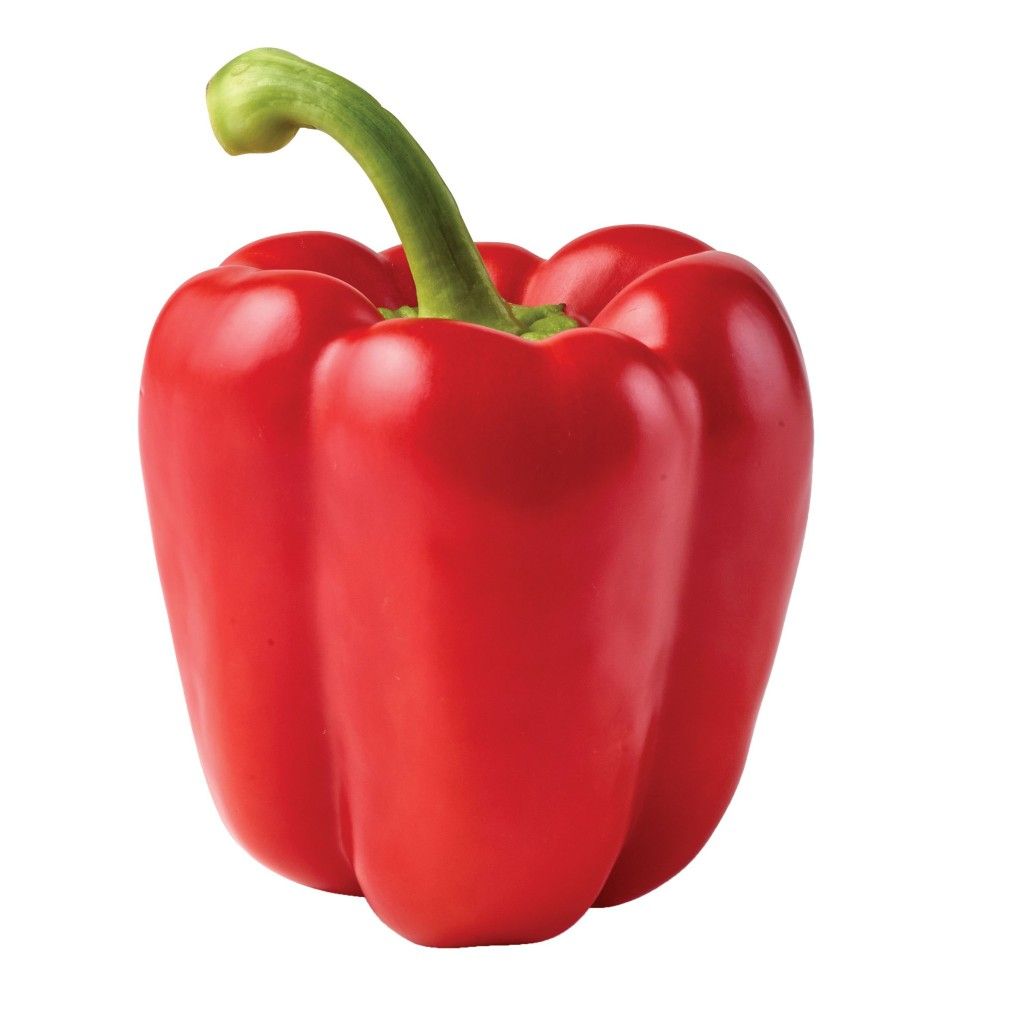
Bell Pepper should be ready to harvest this month — check for size and colour.
Growing Calendar
This month: Jul
Log to journalReady to harvest now
- •Check size and ripeness
- •Harvest regularly
- •Store or use fresh


Watch Out For
Insufficient heat is the most common reason for failure
peppers need consistently warm roots; cold compost slows growth even if air temperature seems adequate
Aphids and whitefly thrive on indoor plants
introduce biological controls (Encarsia formosa for whitefly, Aphidius for aphids) early rather than waiting for a large infestation
Fruits left on the plant ripen to full colour but slow production of new ones
pick some green to keep the plant producing throughout the season


Grown Organically
Every method in this guide works with natural systems — no synthetic chemicals, no shortcuts.
Read our approachCommon Questions
About growing Bell Pepper in the UK
Can I grow bell peppers outside in the UK?
Bell peppers can be grown outside in the warmest summers and most sheltered spots, but they crop far more reliably under glass. In the UK, a greenhouse or polytunnel gives consistent fruit; outdoor plants are more of a gamble in most regions.
Why are my pepper plants not producing fruit?
The most common causes are insufficient heat, low humidity, or poor pollination. Peppers need temperatures of 20–30°C during the day and above 15°C at night to fruit well. Tap flowers gently or shake the plant when in flower to aid self-pollination.
When do bell peppers ripen?
Bell peppers are ready to harvest green from August, but they will turn yellow, orange, or red if left on the plant for 2–3 more weeks. Red peppers are sweeter and more nutritious than green. Allow some to fully colour for the best flavour.
How often should I water peppers?
Water consistently — allow the top of the compost to dry slightly between waterings, but never let plants fully dry out. Inconsistent watering causes flower drop and blossom end rot. Feed with a high-potash liquid feed fortnightly once the first flowers appear.
How should I feed peppers?
Peppers follow the same two-phase feeding approach as tomatoes. Apply a balanced liquid feed fortnightly from planting until the first flowers open. Once flowering starts, switch to a high-potassium tomato-type feed weekly. Peppers are slow to develop fruit — consistent potassium feeding from first flower onwards is one of the most effective ways to improve the harvest.
Member guides
There's more to growing Bell Pepper than this guide covers.
Seasonal reminders, deeper guides, and the small adjustments that change a harvest.