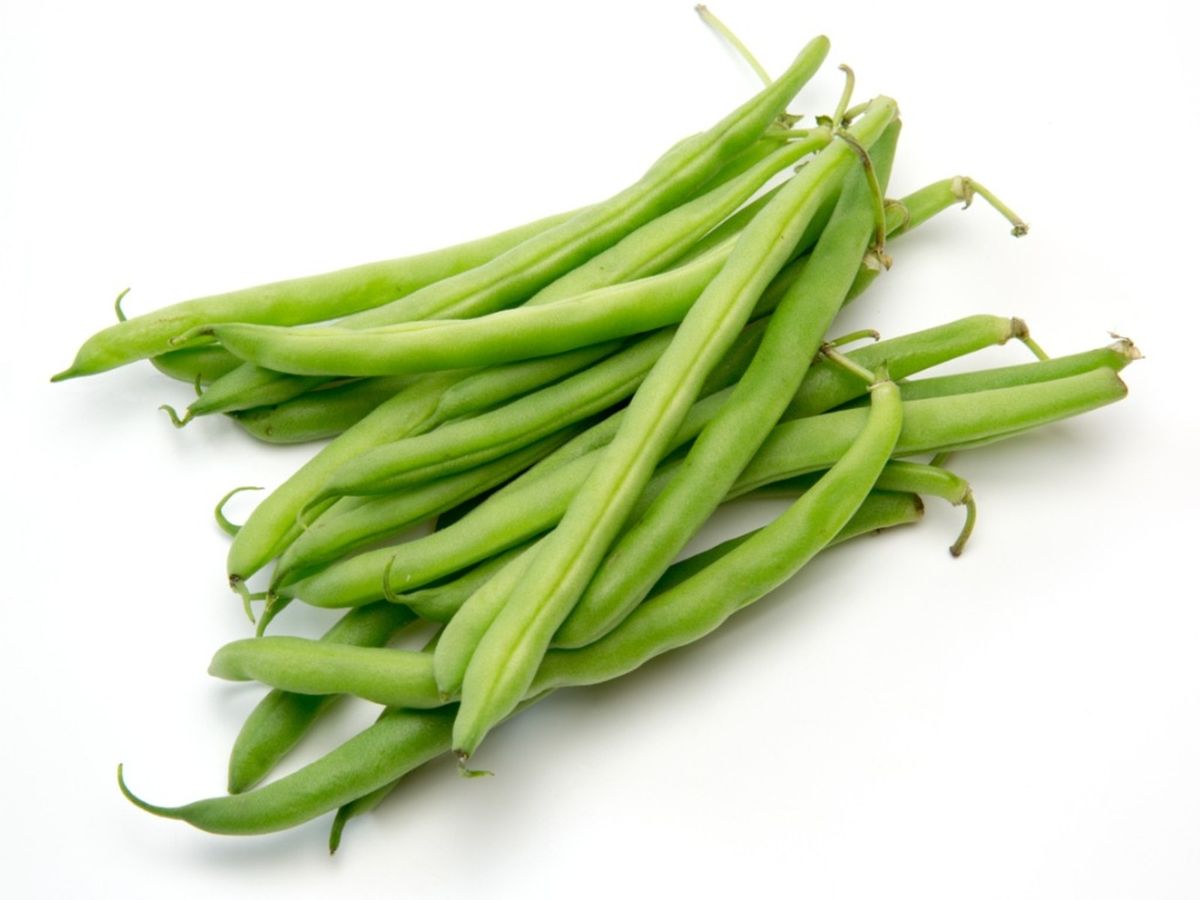
Runner Bean should be ready to harvest this month — check for size and colour.
Growing Calendar
This month: Jul
Log to journalReady to harvest now
- •Check size and ripeness
- •Harvest regularly
- •Store or use fresh




Watch Out For
Blackfly cluster on growing tips
pinch out and spray early
Frost will kill young plants
do not plant out before late May
Dry conditions cause pods to drop before setting



Grown Organically
Every method in this guide works with natural systems — no synthetic chemicals, no shortcuts.
Read our approachCommon Questions
About growing Runner Bean in the UK
When should I sow runner beans in the UK?
Sow runner beans indoors from late April to May, or directly outside from late May to June after the last frost. They are frost-tender and will not survive even a light frost.
Why are my runner bean flowers dropping without setting pods?
Flower drop is usually caused by hot, dry conditions or insufficient pollinator activity. Water well during flowering, mist the plants in dry spells, and ensure plants are in a position accessible to bees.
How do I support runner beans?
Runner beans need tall, sturdy support — at least 2.1m high. Cane wigwams, parallel rows of crossed canes, or a purpose-built frame all work. Erect support before planting and tie in new growth regularly.
How do I know when runner beans are ready to pick?
Pick runner beans when pods are 15–20cm long and snap crisply. If you can see the outline of seeds through the pod, they are past their best. Pick every 2–3 days to keep plants productive.
I can see ants running up my plant stems — should I be concerned?
Yes — ants on plant stems in spring and early summer are almost always a sign that an aphid colony is already present nearby. Ants farm aphids for their sweet honeydew secretions, and actively protect the colony from natural predators like ladybirds and lacewings. If you see ants running up a stem, check the growing tips and the undersides of the youngest leaves immediately. Look for clusters of small soft-bodied insects — black, green or grey depending on the species. Catching the colony early makes a huge difference: remove affected leaves and bin them (do not compost), then check again every two to three days. Do not squash the ants themselves — address the aphids and the ants will leave once their food source is gone.
Could a heavy aphid attack mean I am over-feeding with nitrogen?
Possibly yes. High nitrogen levels in plant sap make it significantly more attractive to aphids — the sap becomes richer in amino acids which is exactly what aphids feed on. If you are seeing persistent, heavy aphid infestations despite treatment, check your feeding regime. Fruiting crops like tomatoes that are still being given a nitrogen-rich balanced feed after flowering are especially susceptible. Switch to a high-potassium feed at first flower and reduce overall nitrogen. Healthy, well-balanced plants are more resistant to aphid attack than over-fed ones.
Member guides
There's more to growing Runner Bean than this guide covers.
Seasonal reminders, deeper guides, and the small adjustments that change a harvest.