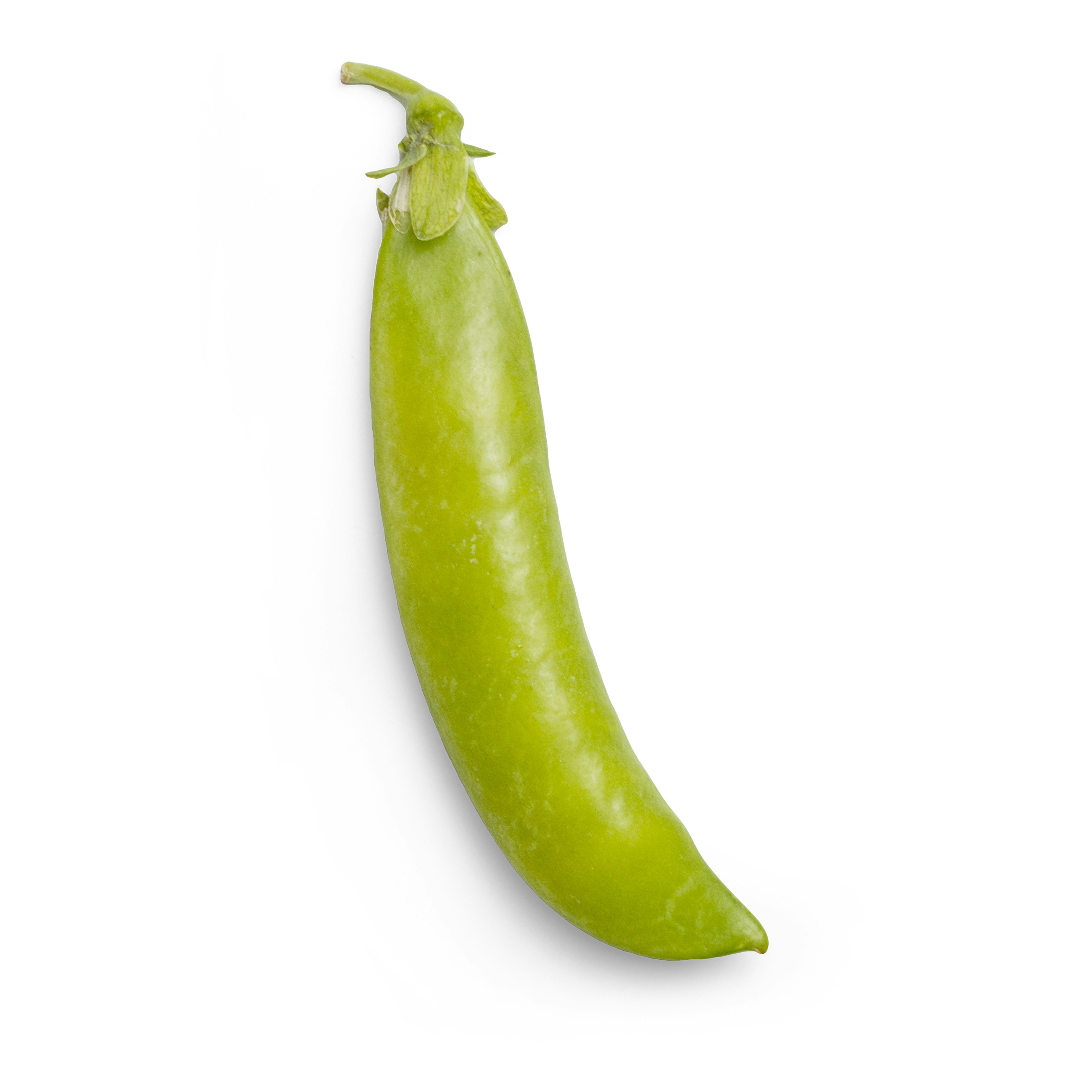
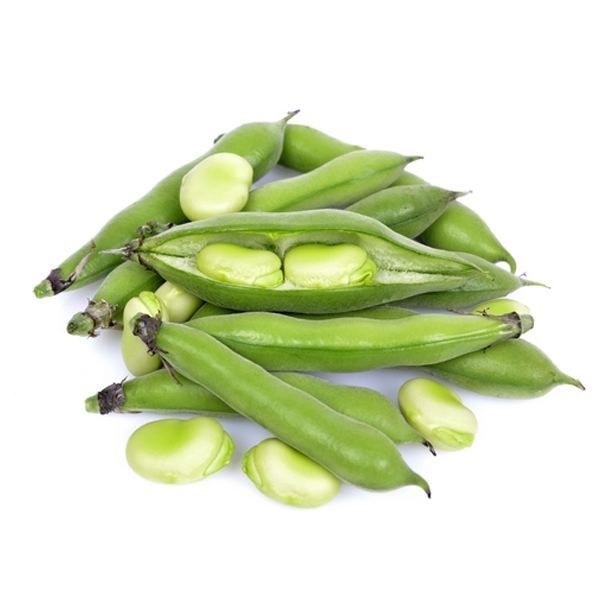
Broad Bean should be ready to harvest this month — check for size and colour.
Growing Calendar
This month: Jul
Log to journalReady to harvest now
- •Check size and ripeness
- •Harvest regularly
- •Store or use fresh


Watch Out For
Blackfly colonises the growing tips from May
pinching out the top 5–10cm of growth removes the infestation in one action and speeds pod development
Chocolate spot (brown blotches on leaves) in wet, overcrowded conditions
improve spacing, airflow and avoid overhead watering
Mice and birds dig up seeds
cover drills with fleece or start in pots and transplant once seedlings are established



Grown Organically
Every method in this guide works with natural systems — no synthetic chemicals, no shortcuts.
Read our approachCommon Questions
About growing Broad Bean in the UK
When should I sow broad beans in the UK?
Sow broad beans in October–November for overwintering (produces the earliest, strongest spring crop), or February–April for a summer harvest. Autumn-sown plants generally crop 3–4 weeks earlier and are more resistant to blackfly.
How do I deal with blackfly on broad beans?
Pinch out the top 10cm of growing tips once the first pods form — this removes the soft growth that blackfly prefer. Spray heavy infestations with a diluted soap solution. Growing under netting provides physical protection.
Do broad beans need support?
Tall varieties (over 1m) benefit from support — push in canes at each corner of the bed and run string around the outside of the plants. Dwarf varieties (Sutton, The Sutton) stay compact and usually do not need staking.
Can you eat broad bean pods?
Yes — very young pods (less than 7cm) can be eaten whole, sliced and cooked like French beans. Older pods are too tough and fibrous; shell these and use just the beans inside.
I can see ants running up my plant stems — should I be concerned?
Yes — ants on plant stems in spring and early summer are almost always a sign that an aphid colony is already present nearby. Ants farm aphids for their sweet honeydew secretions, and actively protect the colony from natural predators like ladybirds and lacewings. If you see ants running up a stem, check the growing tips and the undersides of the youngest leaves immediately. Look for clusters of small soft-bodied insects — black, green or grey depending on the species. Catching the colony early makes a huge difference: remove affected leaves and bin them (do not compost), then check again every two to three days. Do not squash the ants themselves — address the aphids and the ants will leave once their food source is gone.
Could a heavy aphid attack mean I am over-feeding with nitrogen?
Possibly yes. High nitrogen levels in plant sap make it significantly more attractive to aphids — the sap becomes richer in amino acids which is exactly what aphids feed on. If you are seeing persistent, heavy aphid infestations despite treatment, check your feeding regime. Fruiting crops like tomatoes that are still being given a nitrogen-rich balanced feed after flowering are especially susceptible. Switch to a high-potassium feed at first flower and reduce overall nitrogen. Healthy, well-balanced plants are more resistant to aphid attack than over-fed ones.
Member guides
There's more to growing Broad Bean than this guide covers.
Seasonal reminders, deeper guides, and the small adjustments that change a harvest.