Pelham Gardens
Pelham GardensGrow What Matters

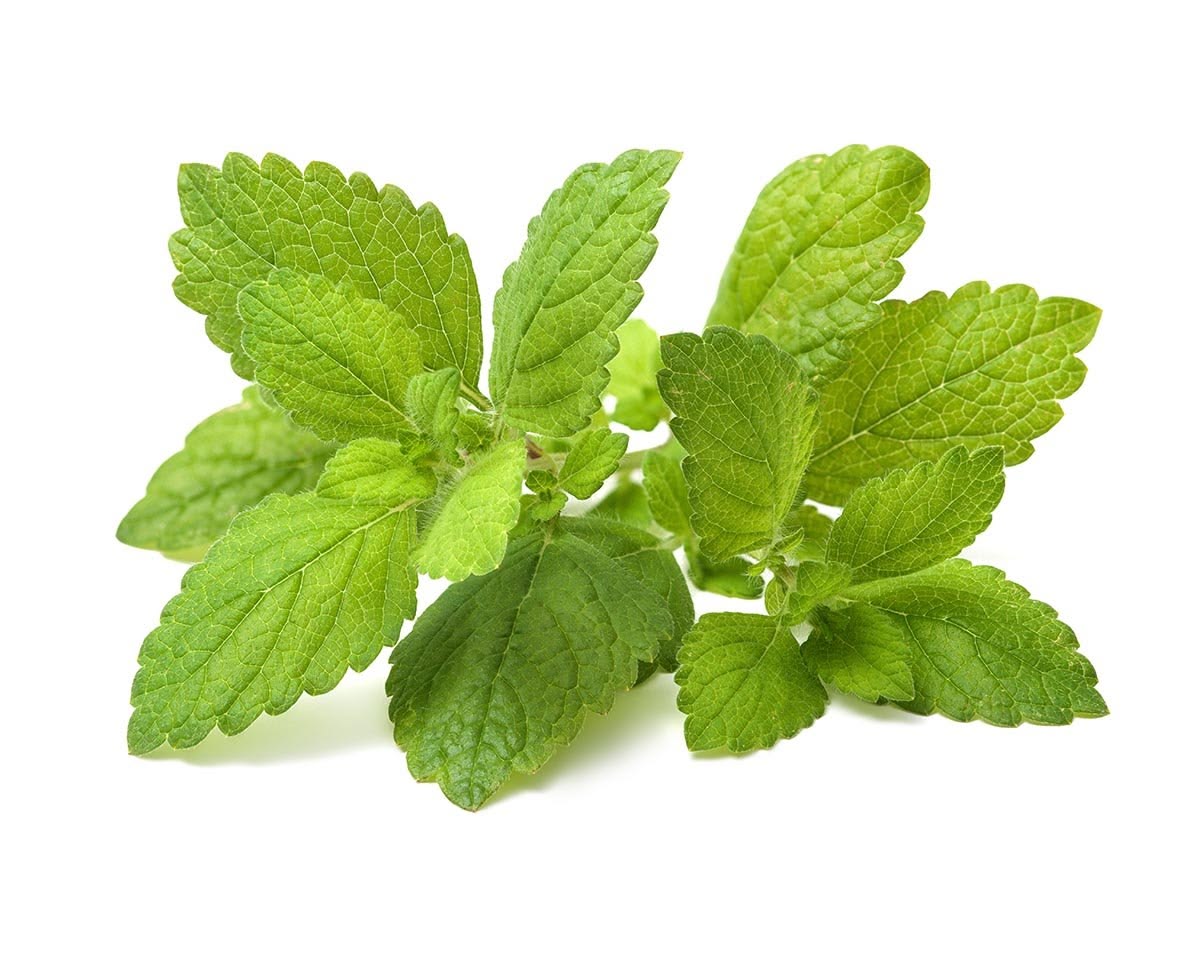
Lemon Balm

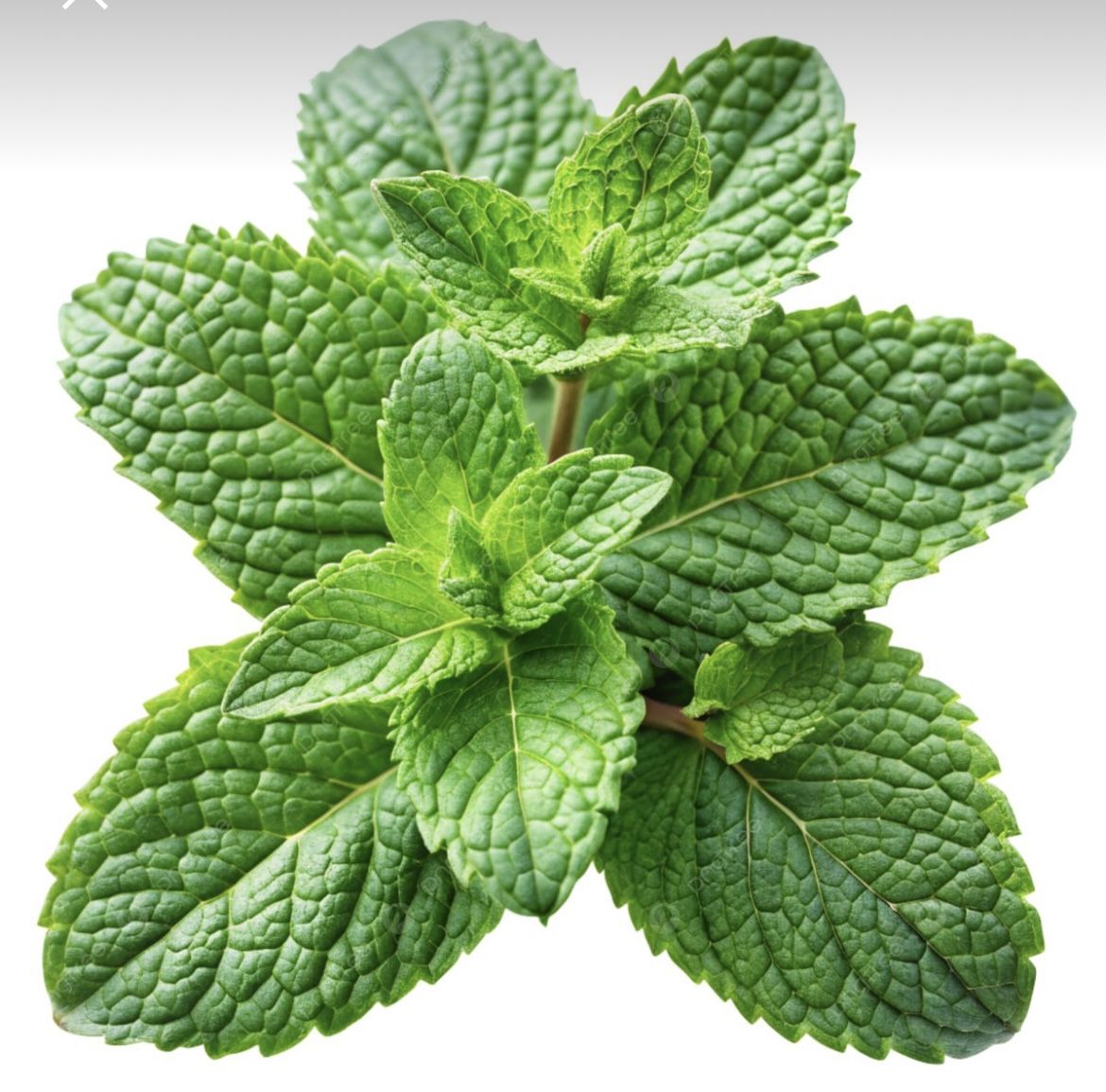
A hardy, lemon-scented mint relative that all but grows itself. One or two plants are usually enough, and deadheading keeps it from spreading where it isn't wanted.

Maturing this month
First sprouts in 14–21 days, can be slow and uneven

Difficulty

Lemon Balm

Lemon Balm should be ready to harvest this month — check for size and colour.

Growing Calendar

Jan
Feb
Mar
Apr
May
Jun
Jul
Aug
Sep
Oct
Nov
Dec
Sow
Transplant
Harvest

This month: Jul

Log to journal

Ready to harvest now

  • Check size and ripeness
  • Harvest regularly
  • Store or use fresh

Sowing Guide

What you'd find on the seed packet

Sow Depth

On the surface, pressed in but not covered

Spacing

45cm

Germination

14–21days, can be slow and uneven

Thinning

Thin to one plant per pot; only a few plants are needed for most uses

Grower's Note

Only sow a handful of seeds; lemon balm bulks up fast once established and self-seeds readily if flowers are left to set seed.

Planting Out Guide

Best spaces, conditions and how to plant out

Plant Spacing

45cm

Best Grown In

Containers (recommended if space is tight), borders, raised beds

Conditions

Full sun to partial shade. Any reasonable garden soil.

Grower's Note

Deadhead flowering stems promptly to stop it self-seeding freely around the garden.

Growing Stages

Approximate weeks from sowing to harvest

Sprouting

3wks

Seeds germinate and first leaves emerge. Keep warm and moist.

Establishing

4wks

Root system develops and plant builds structure. Pot on if needed.

Maturing

6wks

Plant reaches full size and begins producing. Harvest at peak.

Total~13 weeksfrom seed to harvest

Climate Control

Today

C

Humidity

%

Water

Every 2–3 days

Sunlight

3–6 hours sun

Watch Out For

Self-seeds freely if left to flower, turning up in unwanted corners of the garden the following year. Deadhead faded flowers promptly to keep it in check

Grows large and can swamp smaller neighbours over a few seasons. Grow in a container if space is tight or if you don't want it spreading

Powdery mildew coats leaves in white late in the season, especially in dry conditions. Water at the base and improve airflow between plants

Pests & Problems

Full guide →

Powdery Mildew

White powdery coating on leaves, especially in dry conditions late in the season

Aug–Sep

Aphids

Small clusters on new growth

May–Aug

What You'll Need

Equipment for growing lemon balm

Modular Seed Tray

96-cell for precision sowing

Fine Rose Watering Can

Gentle shower for seedlings

Bamboo Canes

Pack of 20 × 120cm

Some links are affiliate links — we may earn a small commission at no cost to you.

Grown Organically

Every method in this guide works with natural systems — no synthetic chemicals, no shortcuts.

Read our approach

Common Questions

About growing Lemon Balm in the UK

Is lemon balm invasive like mint?

It spreads differently to mint: rather than aggressive underground runners, lemon balm self-seeds freely if its flowers are left to set seed. Deadheading faded flower stems promptly largely solves the problem, and a container keeps it fully contained if preferred.

When is the best time to pick lemon balm?

Any time once the plant reaches 15–20cm, and ideally before it flowers, when the lemon scent is strongest. Leaves picked after flowering are still usable but noticeably less fragrant.

Can I grow lemon balm in a pot?

Yes, and it's a sensible choice if you're worried about self-seeding or spread. It's a vigorous grower even in a container, so use a reasonably large pot and expect to divide it every couple of years.

What is lemon balm used for?

Fresh or dried leaves make a calming, lemon-scented tea, and fresh leaves add a mild citrus note to salads, fish dishes and cold drinks. It's also a popular plant for bees, despite the name suggesting otherwise: Melissa, its genus name, is Greek for 'honey bee'.

Member guides

There's more to growing Lemon Balm than this guide covers.

A Garden Journal to log what worked, a personalised sowing planner in My Garden, and monthly reminders timed to the calendar.
See what's included

Free Monthly Newsletter

Never miss a
sowing window

Each month: what to sow now, what to move on, and organic growing tips matched to UK conditions.

  • Monthly sowing & transplanting reminders
  • Organic pest tips timed to the season
  • What to harvest and how to store it