
Now is a good time to sow Green Manure. Follow the sowing guide below.
Growing Calendar
This month: Jul
Log to journalStart seeds indoors this week
- •Fill tray with compost
- •Sow seeds evenly
- •Cover lightly with soil
- •Water gently
- •Place in warm light spot


Watch Out For
Don't let it flower and set seed
once mustard blooms it will self-seed prolifically and become a weed in future beds; cut it down promptly
Mustard is a brassica
do not sow where you've grown or plan to grow cabbages, broccoli or other brassicas within the same rotation, as it shares the same pests and diseases, including clubroot
Give the bed 2–3 weeks after digging in before sowing a new crop, so the fresh green material has time to start breaking down
Grown Organically
Every method in this guide works with natural systems — no synthetic chemicals, no shortcuts.
Read our approachCommon Questions
About growing Green Manure in the UK
What is a green manure and why would I grow one?
A green manure is a fast-growing crop sown not to eat, but to protect and improve bare soil — smothering weeds, preventing nutrients washing away over winter, and adding organic matter and structure when it's cut down and dug back in. Mustard is the quickest and easiest option for filling short gaps between food crops.
When should I cut down and dig in mustard green manure?
Cut it down 4–8 weeks after sowing, always before it flowers — typically once it reaches 20–30cm tall. Chop it up with a spade or shears, leave it to wilt for a day or two, then dig it into the top 10–15cm of soil, or add it to the compost heap instead.
Can I grow mustard as a green manure anywhere in my rotation?
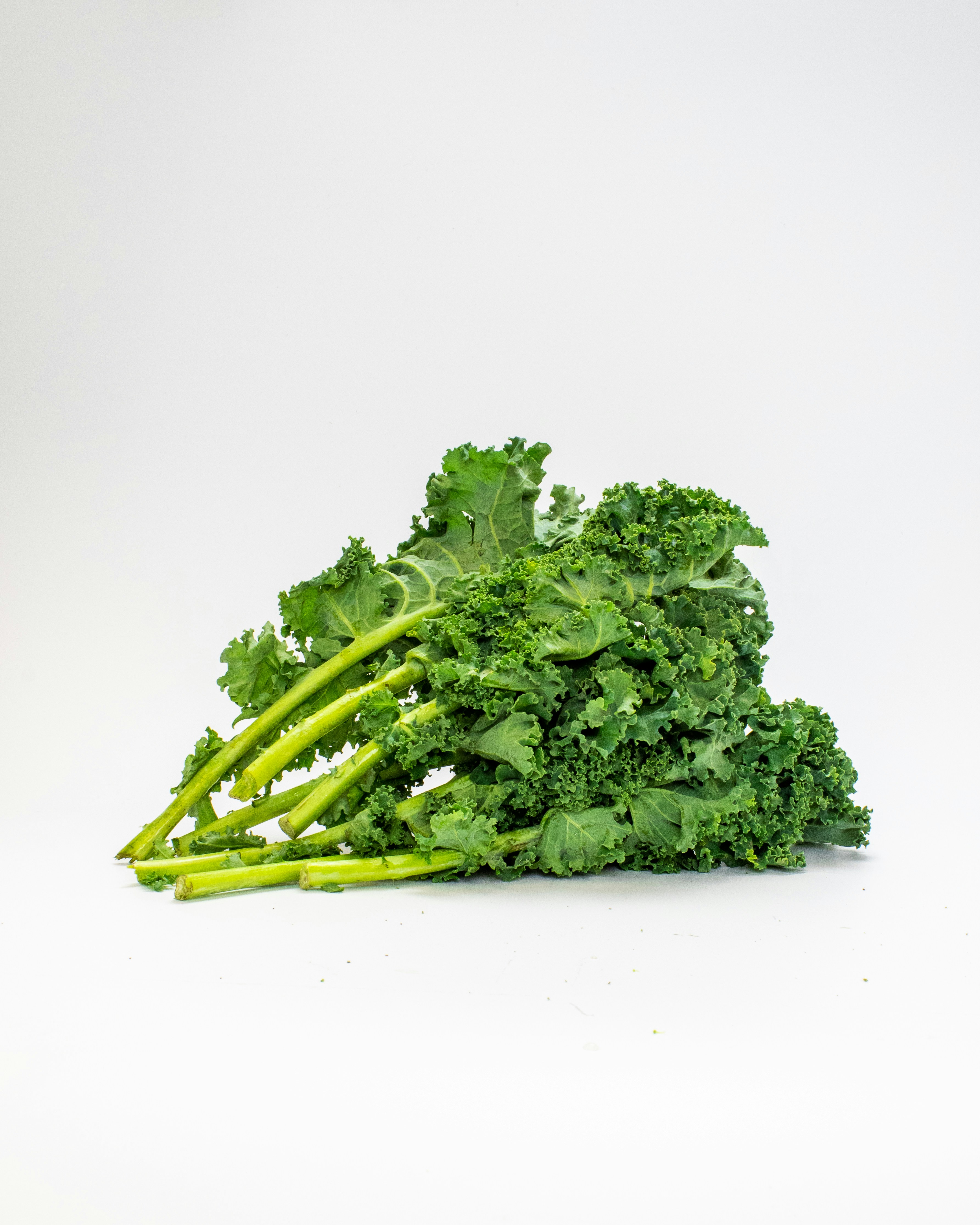
No — mustard is a brassica, so avoid sowing it where cabbages, broccoli, kale or other brassicas have grown recently or are planned next. It shares the same pests and diseases, including clubroot, and can build up problems in the soil if used in the wrong spot.
Will mustard green manure come back every year on its own?
Only if you let it flower and set seed, which isn't recommended — self-sown mustard becomes a persistent weed in later crops. Cut it down before flowering each time, and resow fresh seed whenever you want to use it again.
Member guides
There's more to growing Green Manure than this guide covers.
Seasonal reminders, deeper guides, and the small adjustments that change a harvest.