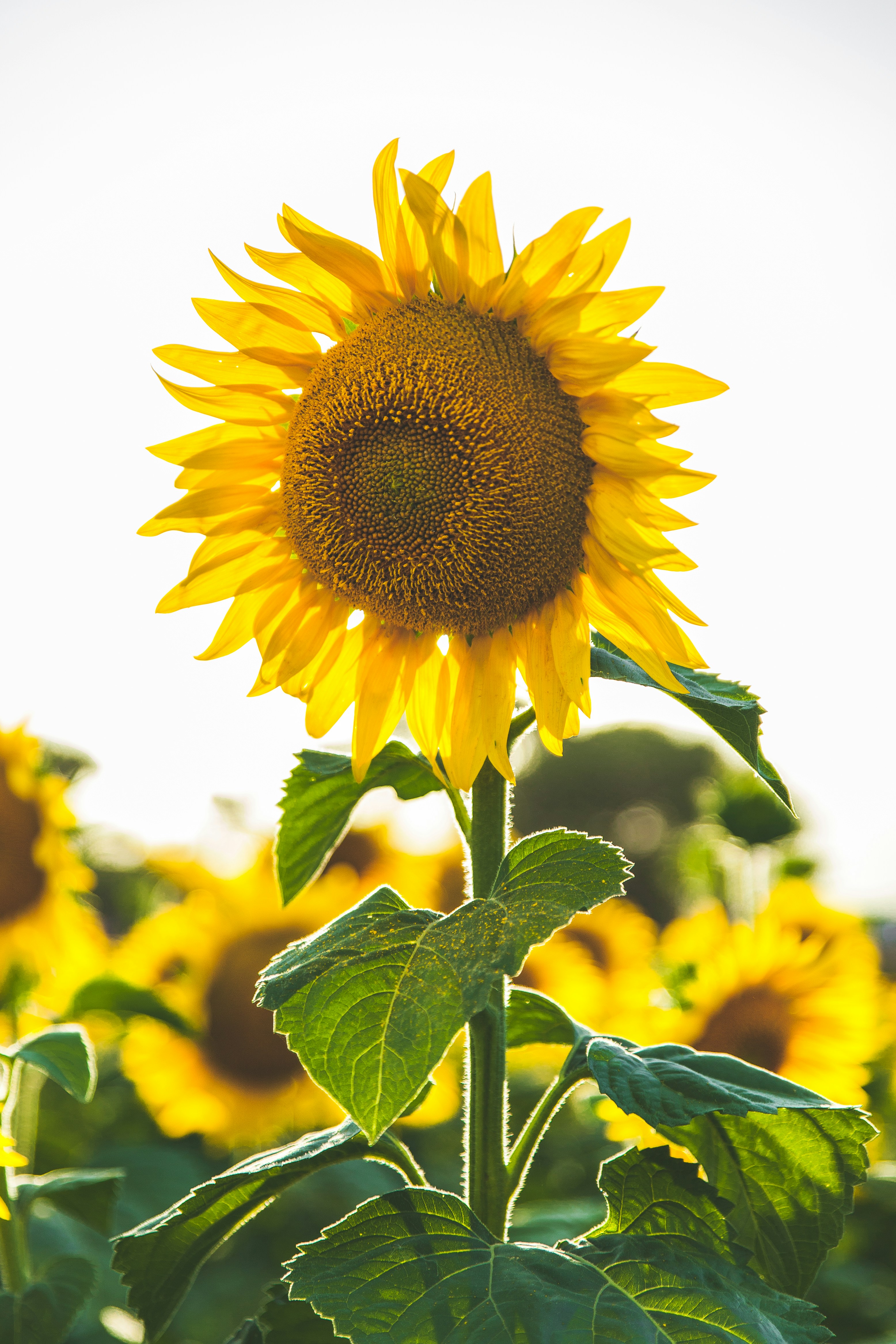

Calendula should be ready to harvest this month — check for size and colour.
Growing Calendar
This month: Jul
Log to journalReady to harvest now
- •Check size and ripeness
- •Harvest regularly
- •Store or use fresh


Watch Out For
Powdery mildew on leaves in hot, dry spells
improve air circulation by thinning overcrowded plants; calendula usually continues flowering even when mildew affects the lower leaves
Aphid colonies form on growing tips in spring
they are typically followed quickly by ladybirds and hoverfly larvae; allow a week before intervening unless the infestation is severe
Slugs damage young seedlings
protect outdoor seedlings with grit mulch or copper tape around containers until plants are well established



Grown Organically
Every method in this guide works with natural systems — no synthetic chemicals, no shortcuts.
Read our approachCommon Questions
About growing Calendula in the UK
What is the difference between calendula and marigold?
Calendula (Calendula officinalis, or pot marigold) and French marigold (Tagetes patula) are completely different plants that are often confused because both have orange and yellow flowers. Calendula is hardier, can be sown in autumn, has edible petals with a mild flavour, and is used in herbal preparations. French marigold is more tender, needs more warmth to germinate, and is primarily valued for its pest-deterrent root exudates. Both are useful in the kitchen garden — they complement rather than replace each other.
Are calendula petals edible?
Yes — calendula petals are fully edible with a mild, slightly peppery flavour. Use them fresh in salads, scatter over soups as a garnish, or infuse dried petals in oil for a skin-soothing calendula oil. The petals were traditionally used as a cheaper alternative to saffron to colour rice and butter. Only use petals from plants that have not been treated with any pesticide.
How do I keep calendula flowering all season?
Deadhead spent flowers regularly — removing the seed head before it forms tells the plant to produce more flowers rather than seed. In a good season, calendula can flower continuously from May to the first hard frost. If plants become straggly or stop flowering in midsummer, cut them back by a third and water well — they will produce a fresh flush of growth and flowers.
Does calendula self-seed?
Yes — calendula self-seeds freely if a few flower heads are allowed to set seed and drop. In most gardens, plants will reappear the following spring without any intervention, making it a low-effort perennial presence despite being an annual. If self-seeding is not wanted, deadhead every flower before the seed head fully ripens.
Is calendula good for pollinators?
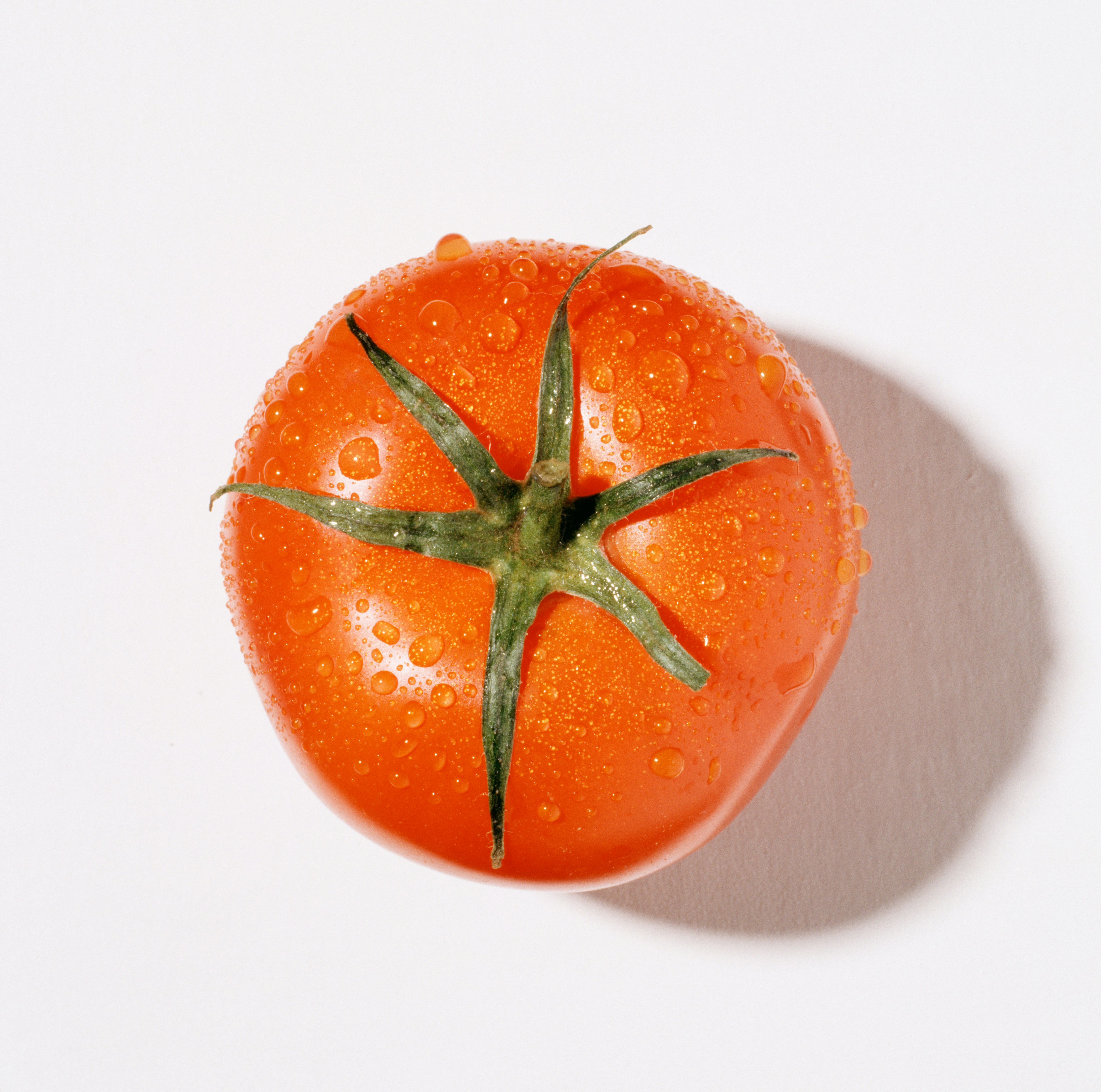
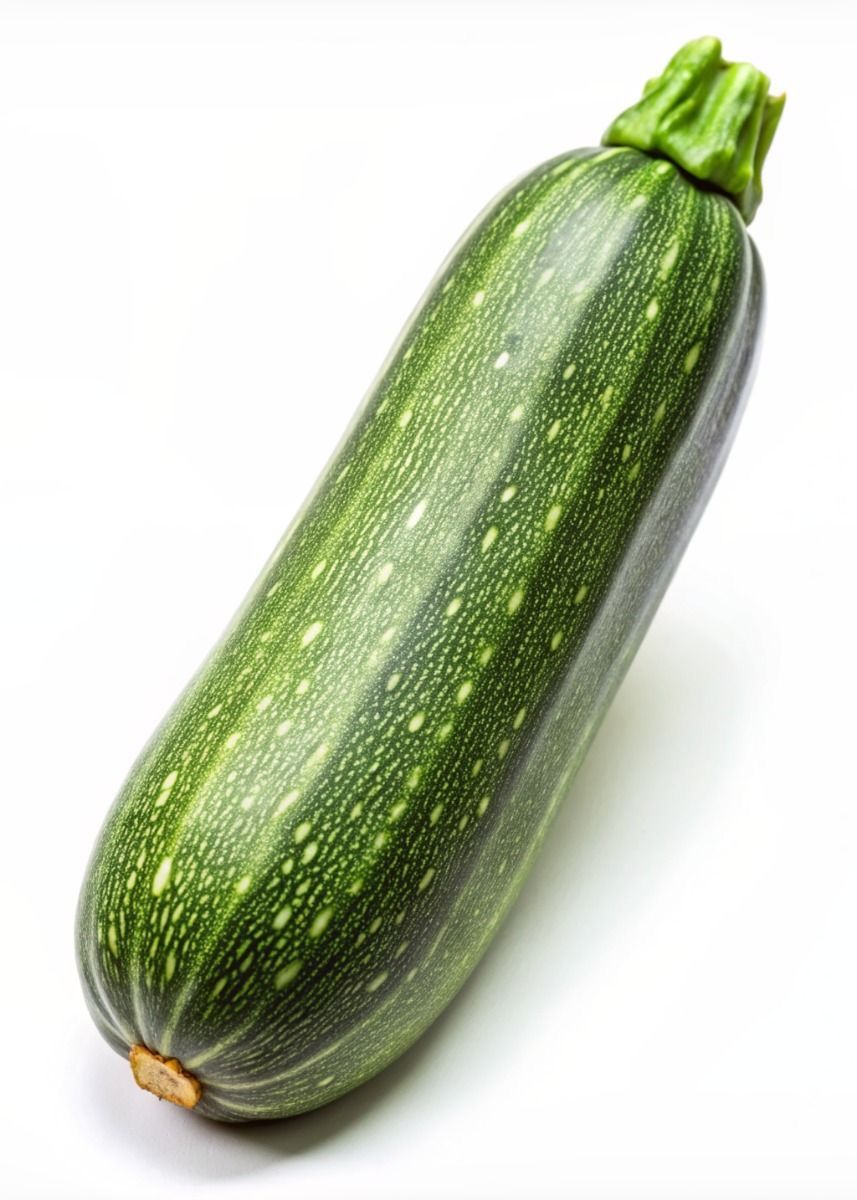
Yes — calendula is one of the better annual flowers for pollinators because it flowers over a very long season (May to October or later) and produces accessible, open flowers that bees and hoverflies can land on easily. Planted near fruiting crops such as tomatoes, courgettes and cucumbers, it helps attract the hoverflies whose larvae eat aphids — making it a companion plant as well as a pollinator plant.
Member guides
There's more to growing Calendula than this guide covers.
Seasonal reminders, deeper guides, and the small adjustments that change a harvest.