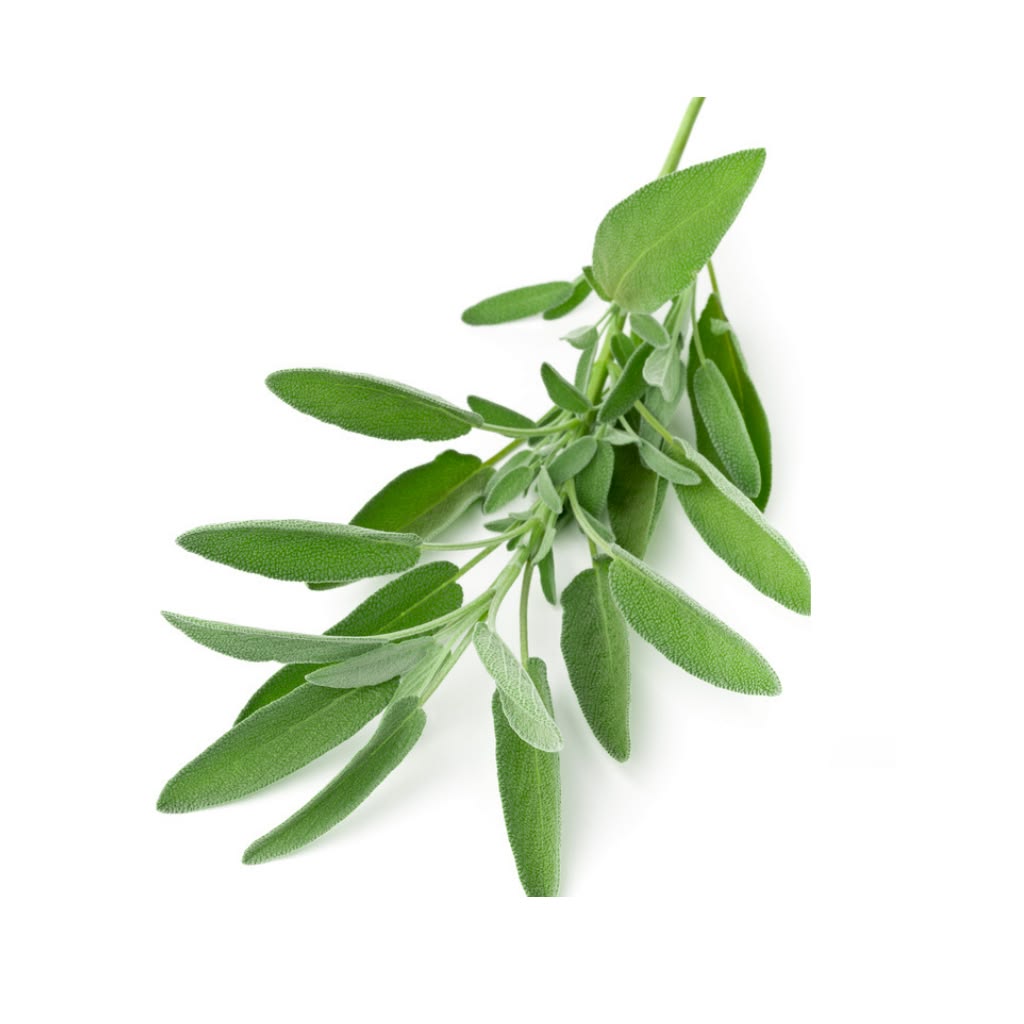
Sage should be ready to harvest this month — check for size and colour.
Growing Calendar
This month: Jul
Log to journalReady to harvest now
- •Check size and ripeness
- •Harvest regularly
- •Store or use fresh


Watch Out For
Waterlogged soil is the most common cause of failure
plant in free-draining ground or add horticultural grit to heavy soil before planting
Powdery mildew develops in humid overcrowded conditions
improve airflow and avoid wetting the foliage when watering
Sage leafhoppers leave pale stippling on leaves
remove affected leaves; rarely serious enough to require any further treatment


Grown Organically
Every method in this guide works with natural systems — no synthetic chemicals, no shortcuts.
Read our approachCommon Questions
About growing Sage in the UK
Does sage come back every year?
Yes — sage is a hardy perennial that returns each spring. It becomes increasingly woody over time and benefits from a hard prune in spring (cutting back to healthy new growth, not into dead wood). Replace plants every 4–5 years when they become unproductive.
How do I prune sage?
Prune sage in spring when new growth begins at the base. Cut back last year's stems to just above new shoots — typically removing one-third to half the plant. Avoid cutting into old, bare wood, which rarely regrows.
Can I grow sage in a pot?
Yes — sage is excellent in containers. Use a terracotta pot with good drainage and a gritty, free-draining compost. Water sparingly — sage dislikes wet roots. A 25–30cm pot supports one healthy plant.
When is the best time to harvest sage?
Harvest sage before or just at the start of flowering for the strongest flavour. Take soft stems from the tips of the plant in the morning after any dew has dried. Fresh sage can be used immediately or dried for storage.
Member guides
There's more to growing Sage than this guide covers.
Seasonal reminders, deeper guides, and the small adjustments that change a harvest.