Your First Grow
Never grown anything?
Good.
Your first grow is really just about one thing: proving to yourself that you can. You don't need a garden. You don't need tools. Just seeds, something to grow them in, and a bit of patience.
Show me where to startGrow one thing first
Every grower you've ever met started with one plant. Not a whole vegetable garden. One thing, in a pot, probably on a windowsill.
When it works, and it will, you won't want to stop. Trying to grow everything at once is how you end up overwhelmed with a dead garden by August. Pick one thing. Let it go well. Then grow more.
Step 2
What you need
Skip standard potting compost on its own. The mix below drains better, stays lighter, and your seedlings will genuinely do better in it.
Coir block
£3-5A small compressed block of coconut fibre. Drop it in water and it expands. Wait until it's crumbly and soft to touch, then it's ready. Clean, light, and roots love it.
Multipurpose compost
£5-8One small bag. You only need one part compost for every two parts coir, so a bag goes a long way. Any multipurpose brand works fine.
Perlite
£5-8The white gritty stuff that looks like tiny polystyrene balls. One part per mix. It keeps everything airy and stops the mix getting heavy and waterlogged.
The mix
2 parts coir / 1 part compost / 1 part perlite
Use any cup or container as your measure — whatever you have. Mix it in a bucket or bowl. Make sure it feels evenly moist before you sow anything into it.
Plus a pot or container with drainage holes. A yogurt pot, a recycled food container, a cheap terracotta pot — the plant really doesn't care. Holes should be at least the size of a pencil, ideally up to the size of a penny. Aeration matters as much as water and warmth, and good drainage is how you get it.
Step 3
From sowing to eating
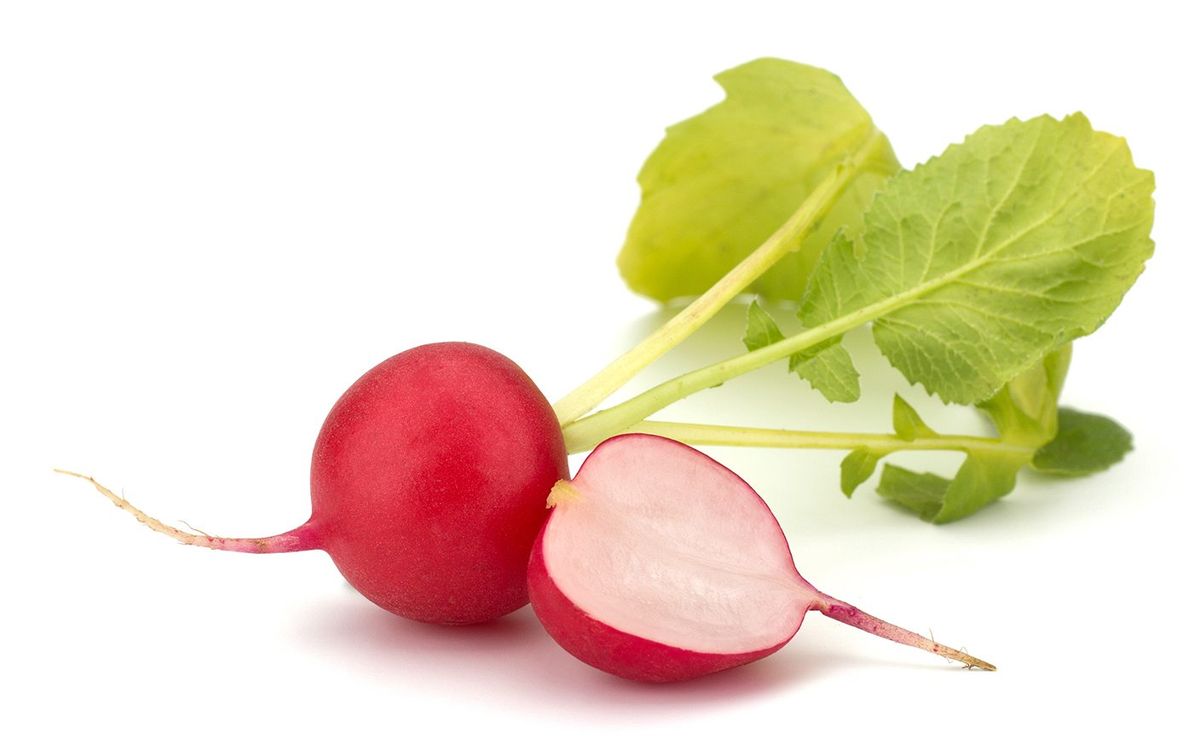
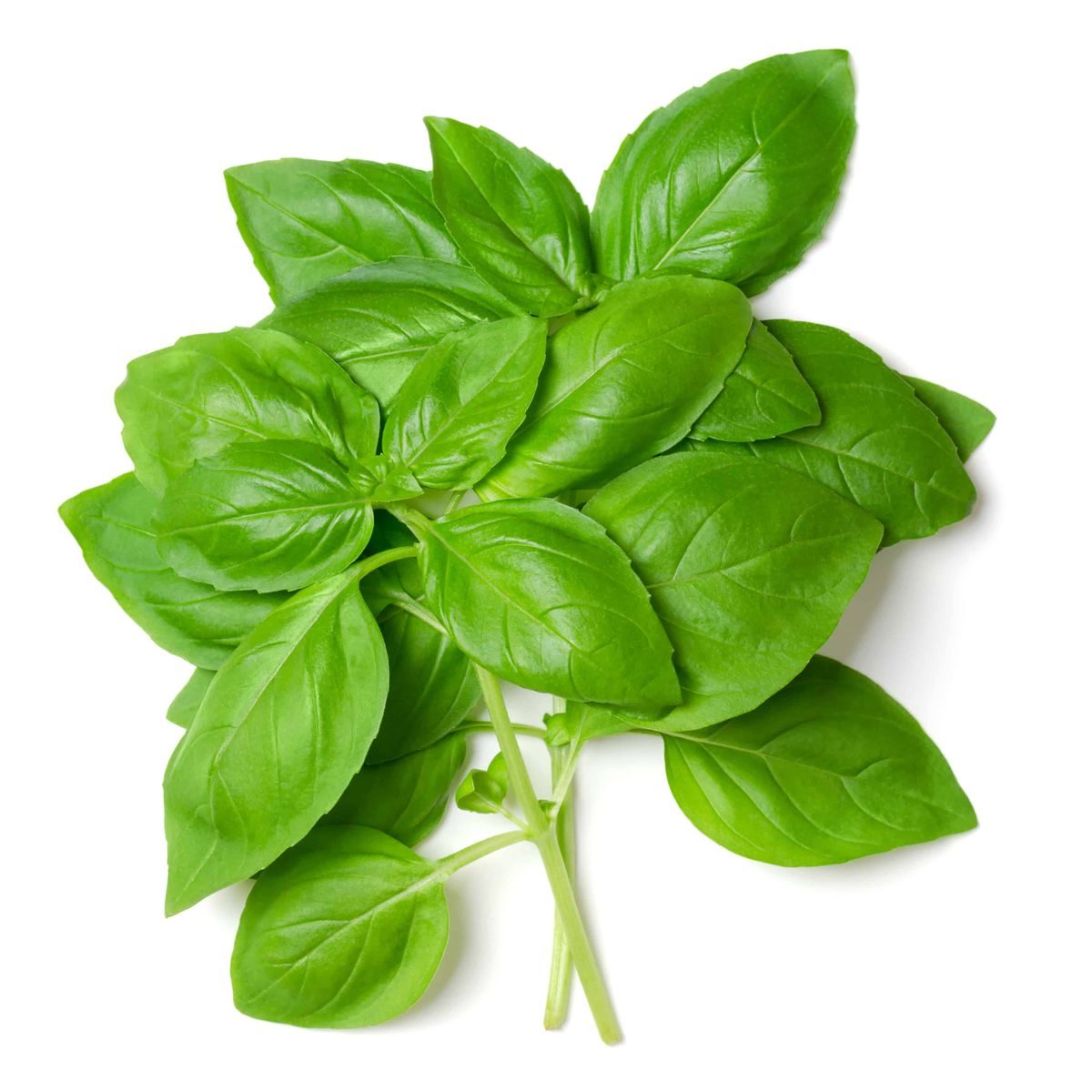
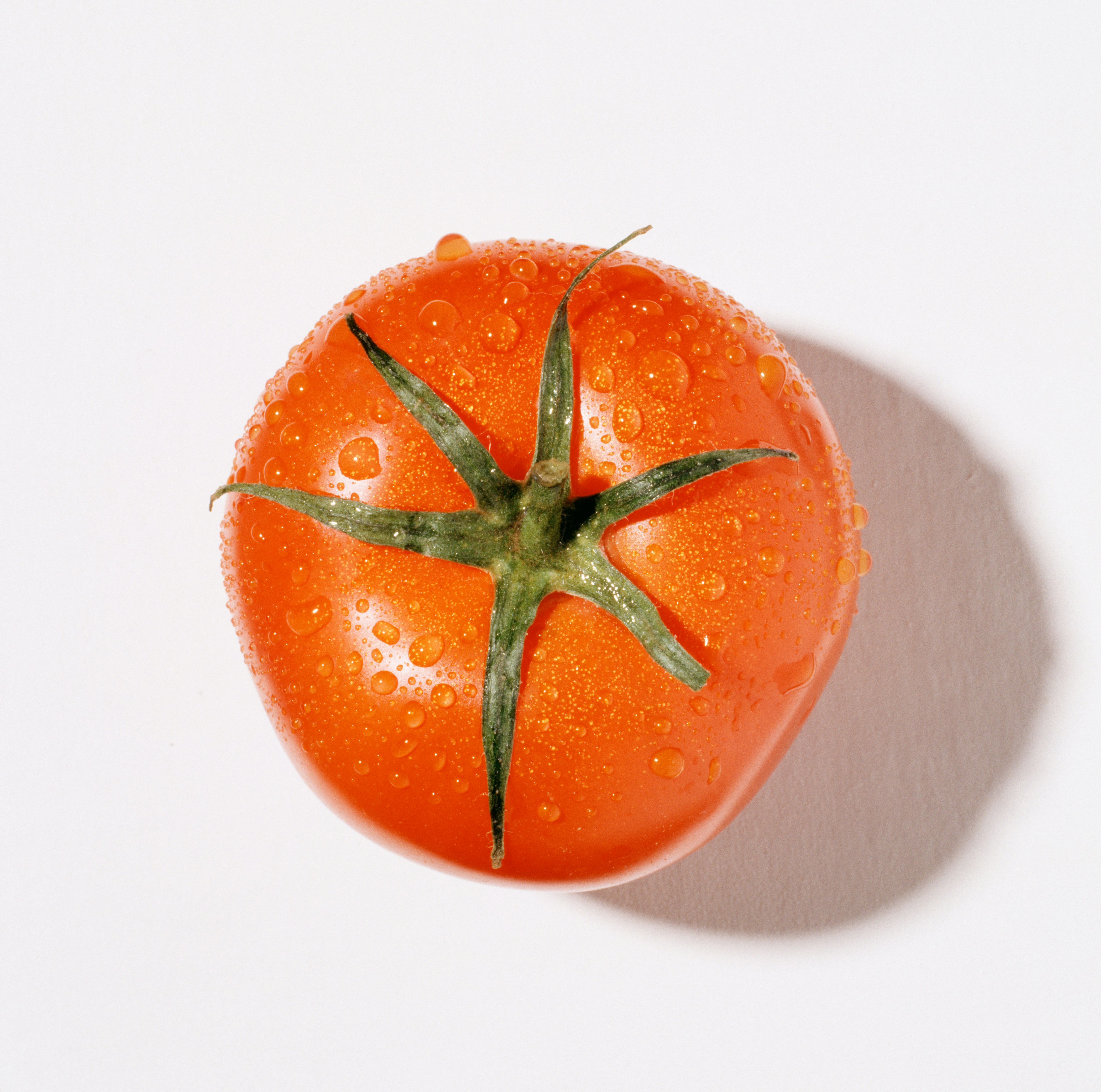
Using radish as the example. Basil follows the same pattern. Tomatoes take longer but the same principles apply.
Before you sow
Get the mix moist first
Don't sow into dry mix. Add your coir, compost and perlite to a bowl or bucket, pour in a little water and work it through with your hands until it feels evenly damp. Not soggy, not dusty. When you squeeze a handful and it just holds together, that's right. Then fill your pot.
Day 1
Sow and cover
Press your seeds in to about 1cm deep, firm the surface lightly, and then do the one thing most guides skip: cover the pot. A clear plastic bag, the transparent lid from a yogurt pot, a cut plastic bottle — anything that lets light in but keeps warmth and humidity trapped. Put it somewhere warm. You don't need to water again yet.
Days 3 to 10
Watch for germination — then act
Just peek every day or two. The mix stays moist under the cover so there's nothing to do yet. As soon as you see the first seedlings pushing through, take the cover off — or punch a few holes in it if you're using plastic. Once germination starts, a sealed cover causes mold quickly. Move to your brightest spot. From here, water from underneath: sit the pot in a tray or saucer with a little water and let the roots find their way down to it. Empty the tray after an hour so the roots aren't sitting in standing water.
Week 3 to 4
Your first harvest
For radish, pull one when the shoulder's about 2cm across. Eat it immediately. This is the moment. Nothing tastes quite like something you grew from a tiny seed with your own hands — and once you've felt it, you'll want to grow everything.
When it goes wrong
Something will go wrong at some point. That's part of it. Here's what usually happens and what to do.
Nothing came up
Usually one of two things: too cold, or the mix dried out under the cover. Seeds need warmth to germinate — somewhere around 18 to 20°C is ideal. Check the cover's still in place and the mix hasn't dried out. Try again. Seeds are cheap.
Seedlings are tall and floppy
They're reaching for light. Move to a brighter windowsill or outside on a mild day. The stems will strengthen once they get proper light. This is one of the most common things that happens and it's completely fixable.
Leaves went yellow
Probably overwatered once the cover came off. The mix holds moisture for longer than you'd expect. Let it dry out a bit before watering again. Plants are more resilient than most people think.
Once your first grow works
You'll want to grow more. Here's where to go next.
Pelham Gardens was built around one idea: that growing food connects you to something real. Not just the food itself, but the season, the soil, the patience it takes. Your first radish is just the beginning.